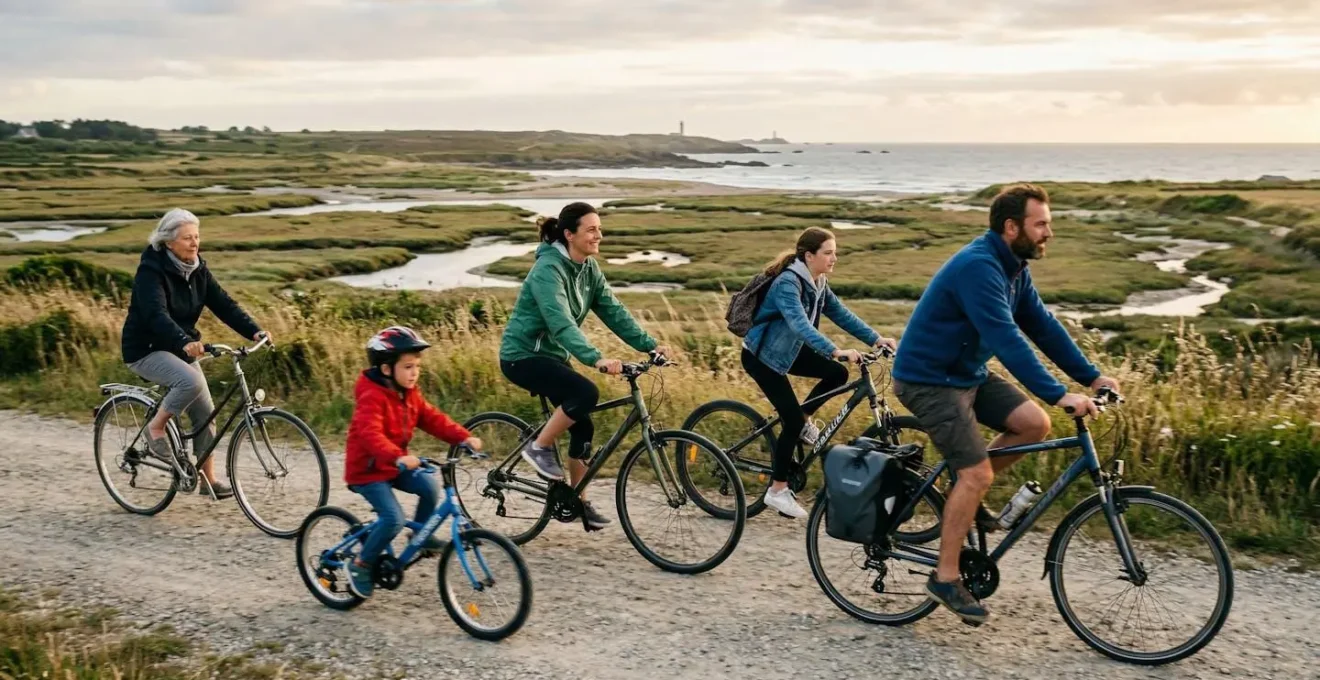
Île de Ré stretches just 30 kilometres long yet packs enough variety to fill a week without repetition. Whether your villa sits in the fortified harbour of Saint-Martin or among the dunes of Les Portes, every beach, salt marsh, and oyster cabane lies within easy cycling distance—a fact that transforms how groups of eight to fourteen guests experience this Atlantic island.
The compact geography works in your favour. Mornings might begin with a cycle to a quiet beach on the western tip, afternoons with oysters straight from the producer, and evenings watching the sun set from your villa terrace. This rhythm, dictated by tides and light rather than rushed itineraries, defines the island’s appeal for those staying longer than a day trip allows.
What follows covers the activities most suited to villa groups: where to find space on the sand, how to organise bikes for ten people, which villages reward a slower pace, and the early starts that deliver the best wildlife encounters. Practical details take priority over generic recommendations.
What you’ll find in this guide
Beaches within cycling distance of every villa
The island counts roughly ten kilometres of sandy Atlantic-facing beaches, yet the experience varies dramatically depending on where you pedal. Rivedoux-Plage offers the calmest waters—ideal for younger children—while the wilder stretches near La Conche des Baleines deliver proper Atlantic swells for confident swimmers. The common mistake? Arriving at midday in July and expecting solitude.
Groups staying in villas quickly learn the rhythm: arrive before 10:00 when locals still outnumber day-trippers, or wait until late afternoon when the bridge traffic reverses toward La Rochelle. Researching things to do around your rental on Île de Ré before arriving helps identify which beaches sit closest to your accommodation, saving the frustration of cycling across the island with restless children only to find packed sand.
Tide timing matters: The Atlantic coast beaches lose significant width at high tide. Check local tide charts the evening before and plan beach days around low tide windows, particularly if your group includes anyone wanting to walk the sandbars or collect shells with children.
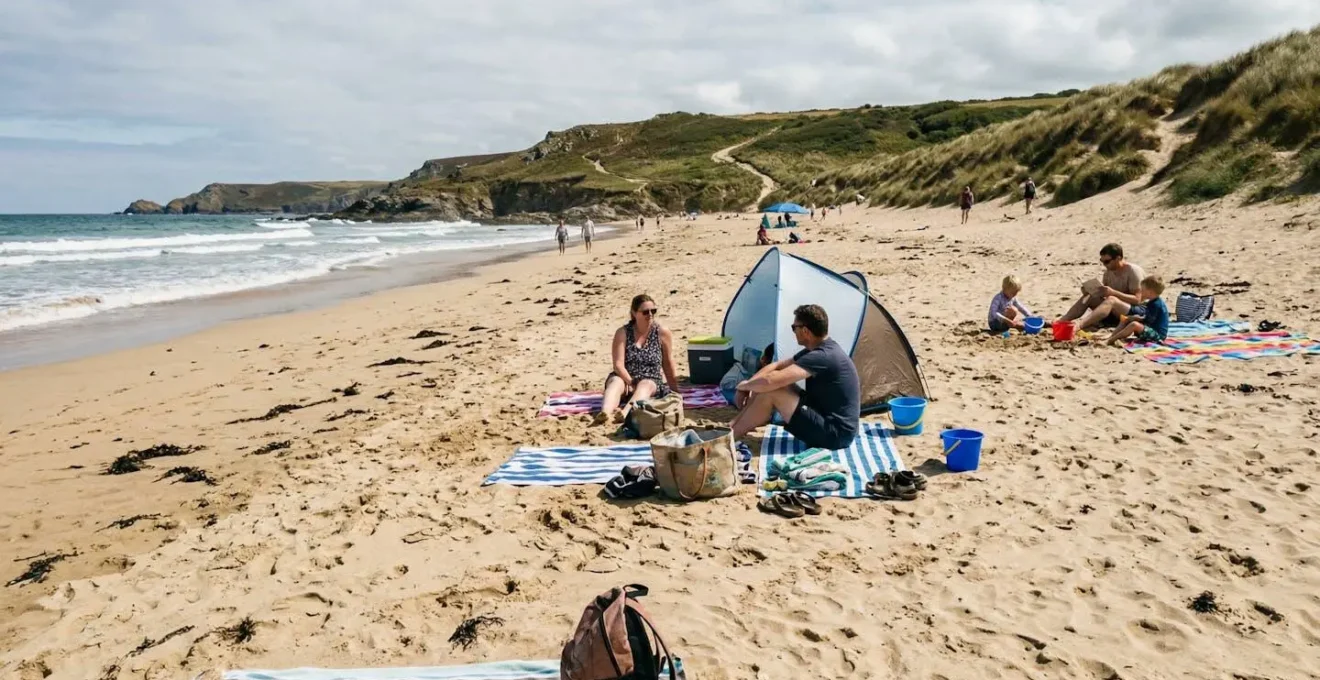
For villa groups, the supervised beaches at Le Bois-Plage-en-Ré often strike the right balance: lifeguard presence during summer, nearby café terraces for those preferring shade, and enough space that twelve people can establish a base without feeling cramped. The cycling distance from most rental areas rarely exceeds twenty minutes on flat, dedicated paths.
Two wheels, 138 kilometres of possibility
138km
Dedicated cycling paths connecting the island’s ten villages
According to the cycling network mapped by the Communauté de Communes, the island maintains 138 kilometres of dedicated cycle paths—enough to explore a different route each day of a week-long stay. The terrain stays almost entirely flat, making distances manageable even for occasional cyclists. A ride from Rivedoux to the lighthouse at Les Portes covers roughly 25 kilometres one way, achievable in under two hours with stops.
The logistics challenge for villa groups isn’t the cycling itself but securing bikes. During July and August, rental shops in popular villages run low by mid-morning. Groups of ten or more should contact rental providers several days ahead, specifying the mix of adult bikes, children’s bikes, child seats, and trailers needed. Electric bikes extend the range for those less confident, though they cost approximately double the standard daily rate of around €10-15 per person.
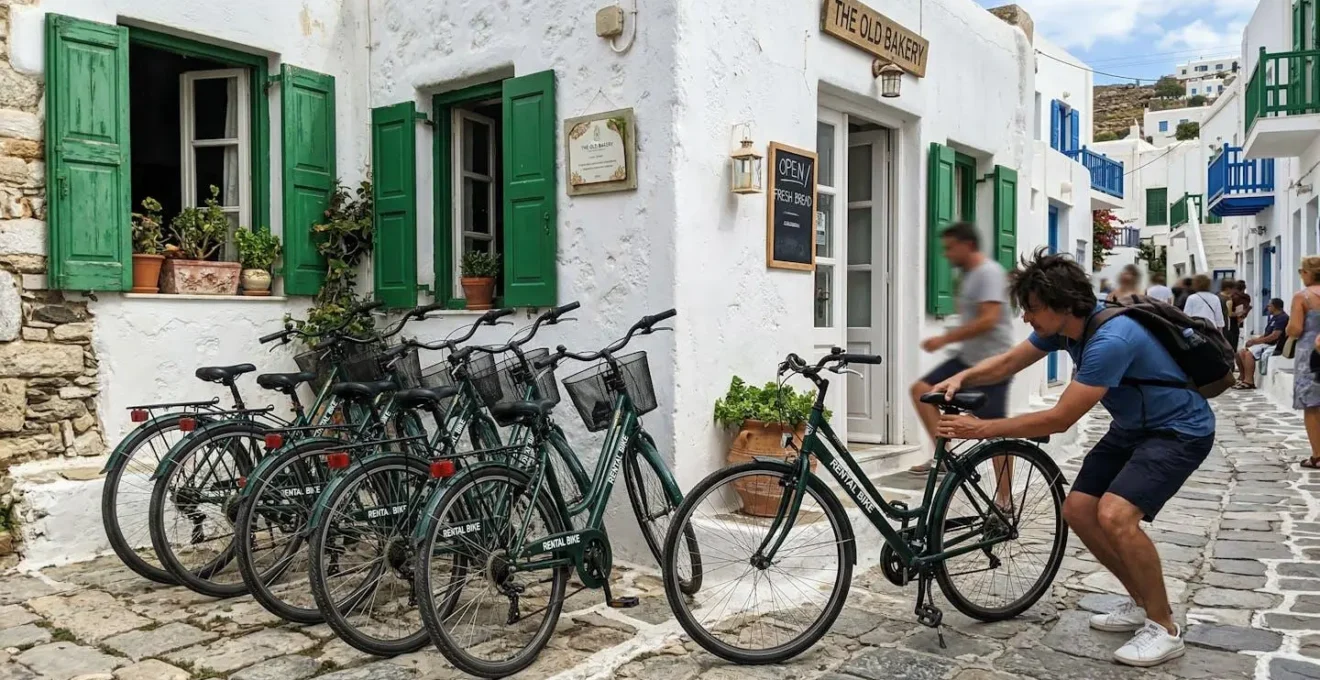
For those new to cycling holidays, the flat terrain here offers an ideal introduction. Resources covering bike touring for beginners help with preparation, though Île de Ré’s well-signposted network requires less advance planning than most destinations. The paths run separate from roads in most sections, keeping the experience relaxed even for families with young cyclists.
Where salt, oysters, and village life converge
The island’s villages each carry distinct character worth experiencing beyond a quick cycle-through. La Flotte draws the morning market crowd with its covered halls and harbourside cafés. Saint-Martin-de-Ré centres on the Vauban fortifications—military architecture recognised for its exceptional heritage value—but the real draw for groups is the harbour itself, where lunch stretches into the afternoon without anyone minding.
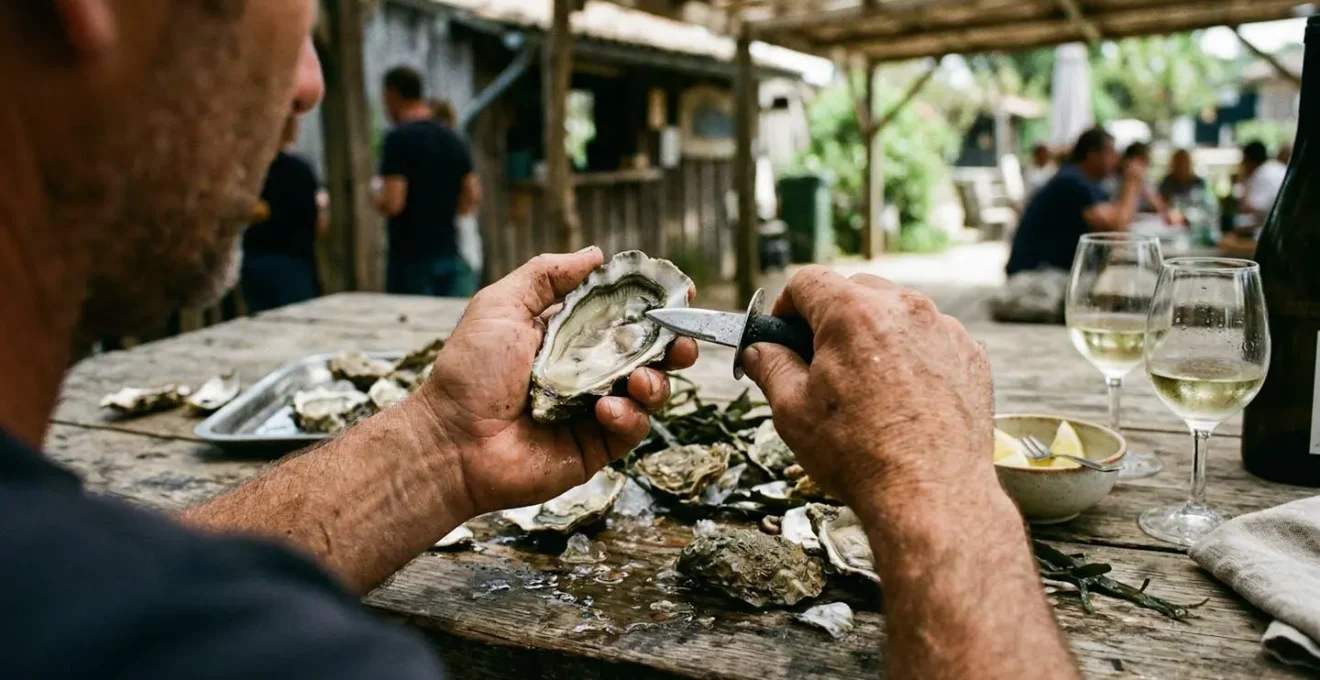
Salt and oysters anchor the local food identity. The marais salants around Loix produce fleur de sel still harvested by hand, while the oyster cabanes clustered near La Flotte sell directly to visitors willing to shuck their own (or watch someone else do it). These unscripted food experiences often become the week’s highlights for villa groups, requiring no advance booking and encouraging the kind of slow pace that rushed day-trippers miss entirely.
| Village | Character | From Rivedoux | From Le Bois-Plage |
|---|---|---|---|
| Saint-Martin-de-Ré | Fortifications, harbour dining | 12 km | 7 km |
| La Flotte | Morning market, oyster tastings | 8 km | 10 km |
| Loix | Salt marsh visits, tranquil pace | 18 km | 12 km |
| Les Portes-en-Ré | Lighthouse, nature reserve | 25 km | 18 km |
The distances suit half-day outings, leaving afternoons free for beach time or villa relaxation. Groups often split along interest lines: the cyclists heading to the lighthouse while others settle into a café terrace. For those wanting to extend beyond the island, the proximity to Bordeaux wine country opens possibilities—tasting at Bordeaux châteaux makes a worthwhile day trip, though it requires crossing the bridge and venturing into wine country proper.
Water sports and nature reserves worth the early start
The counterintuitive truth about Île de Ré’s best experiences: they reward those willing to leave the villa before breakfast. The Réserve naturelle de Lilleau des Niges, managed by the Ligue pour la Protection des Oiseaux (LPO), sits in the island’s north among former salt marshes now home to exceptional birdlife. According to the official reserve inventory, some 256 bird species have been recorded here—a density that draws serious ornithologists alongside casual visitors.
Early morning visits, before day-trippers arrive from La Rochelle, offer the quietest conditions and most active bird behaviour. The wooden observation hides require patience but deliver sightings difficult to match elsewhere on France’s Atlantic coast. For villa groups, this suits a rotating schedule: two or three early risers take the bikes to the reserve while others sleep in, swapping the following day.
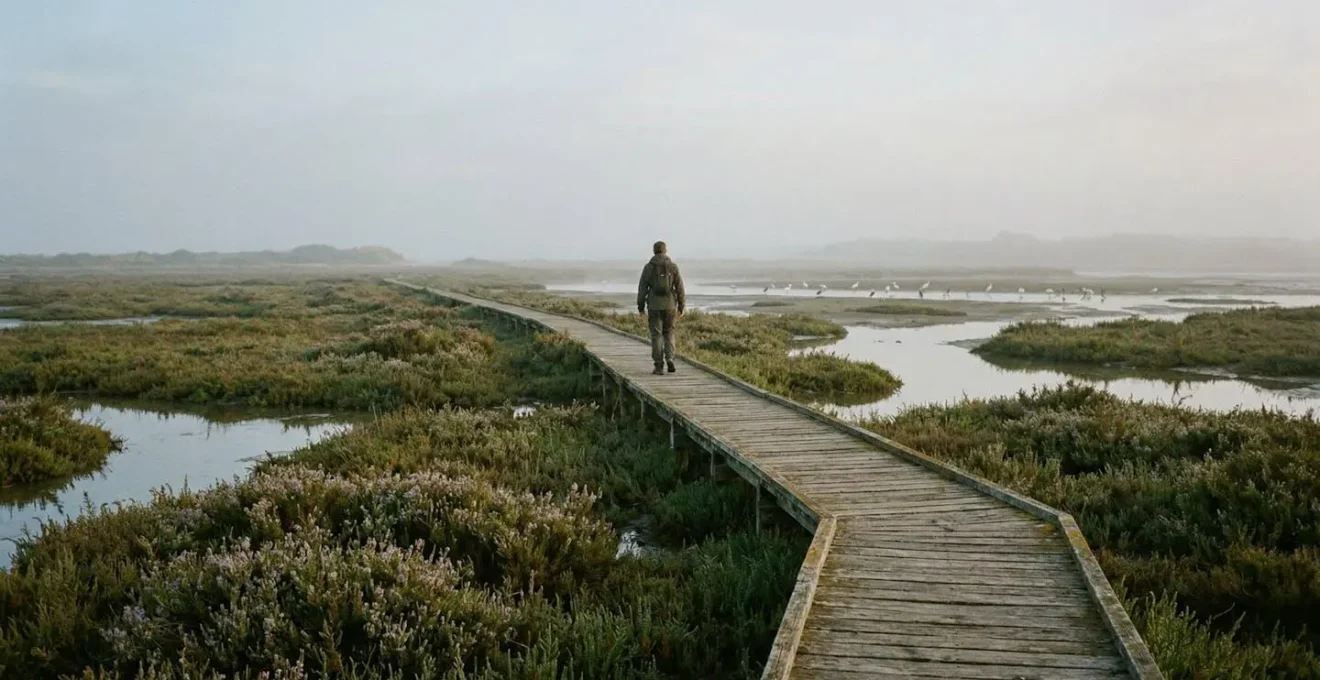
Water sports concentrate around the sheltered eastern coast. Kayaking through the channels of the Fier d’Ars offers a different perspective on the salt marshes, while stand-up paddleboarding works best in the calm morning hours before afternoon winds pick up. Sailing schools in Saint-Martin accept group bookings, though availability tightens during school holidays.
Group outing essentials for 8+ guests
-
Confirm bike availability 48 hours ahead, specifying exact mix of sizes needed
-
Check tide charts the evening before any beach day
-
Plan restaurant bookings for groups over eight—terrace space fills quickly
-
Designate a morning rotation for early reserve visits or market runs
-
Keep the bridge toll in mind: €8 mid-season or €16 peak season per crossing, as listed in the 2025 toll pricing schedule
Your questions about Île de Ré activities
Quick answers for villa groups
Can we manage without a car on Île de Ré?
Comfortably. The 138-kilometre cycling network connects all ten villages, and the flat terrain makes distances manageable for most fitness levels. Electric bikes extend range for those wanting assistance. Taxis and occasional shuttle services exist for emergencies or airport transfers, but most villa guests find bikes sufficient for a week’s activities.
What if it rains during our stay?
The island lacks large indoor attractions, making rainy days an invitation to slow down rather than rush through museums. Village cafés offer shelter and atmosphere. The fortifications at Saint-Martin warrant exploration regardless of weather. Thalassotherapy centres in Rivedoux provide spa-style treatments. Some villa groups use wet days for the drive to La Rochelle’s aquarium or covered markets.
How far in advance should we book activities?
Bike rentals for groups of ten or more benefit from 48-hour advance notice during peak season. Sailing lessons and water sport sessions fill quickly in school holidays—a week’s notice proves sensible. Most other experiences (beaches, markets, oyster tastings, cycling) require no booking and reward spontaneity.
Is Île de Ré suitable for a full week or will we run out of things to do?
A week feels natural rather than stretched. The island rewards slower exploration: different beaches, varied cycling routes, unhurried village mornings. Groups often report wishing for an extra day or two. Those needing more variety can day-trip to La Rochelle (thirty minutes by car) or venture into Cognac or Bordeaux wine country.
The question of what to do from your villa ultimately answers itself once the rhythm settles. The combination of cycling accessibility, Atlantic beaches, and authentic food culture means activities present themselves rather than requiring pursuit. A week here leaves most groups planning when—not whether—to return.