World Destinations
Exploring world destinations transcends the simple act of taking a vacation; it is a profound immersion into diverse geographies, deeply rooted traditions, and complex global infrastructures. Navigating the sheer volume of international locales requires a structured approach to travel planning, moving beyond glossy brochures to understand the actual mechanics of moving across borders. From assessing climatic variations to respecting local customs, comprehensive preparation is the cornerstone of any successful international journey.
Every continent offers a unique matrix of environmental conditions and societal norms. Understanding how to categorize these regions, manage the necessary logistics, and travel with a conscientious mindset allows travelers to transform a standard trip into a meaningful global experience. The following insights break down the core components of international travel, providing a solid foundation for evaluating and selecting your next overseas environment.
Strategic Approaches to Selecting a Region
Choosing a destination involves balancing personal interests with practical realities. Rather than throwing a dart at a map, a traveler must evaluate several critical factors to ensure the chosen locale aligns with their physical capabilities and logistical constraints.
Evaluating Climatic Zones and Seasonality
The global climate dictates not only what to pack but also what activities are feasible. Traveling to a tropical savanna during a monsoon season, for example, drastically alters the experience compared to visiting during the dry months. Understanding meteorological patterns is essential for timing a trip correctly. Travelers must consider:
- The prevalence of extreme weather events, such as hurricane or typhoon seasons.
- Average temperature fluctuations between day and night in desert or high-altitude regions.
- How local infrastructure handles seasonal shifts, such as heavy snowfall or torrential rains.
Assessing Cultural Nuances and Language Barriers
A destination’s cultural landscape is often its most compelling feature, but it also requires the highest level of adaptability. Engaging with societies that operate on completely different social paradigms is deeply rewarding if approached with respect and preparation. To navigate these differences effectively, consider the following sequential steps:
- Research the primary language and regional dialects spoken in the target area.
- Identify key social etiquette rules, particularly regarding dress codes and public behavior.
- Familiarize yourself with local religious practices and how they might impact business hours or public transportation.
Primary Categories of Global Environments
World destinations can generally be grouped into distinct environmental and infrastructural categories. Each type offers a specific set of benefits and challenges, requiring different approaches to packing, pacing, and daily navigation.
Metropolitan Hubs and Megacities
Urban centers serve as the cultural and economic engines of their respective countries. Cities like Tokyo, London, or São Paulo offer dense concentrations of museums, culinary scenes, and historical architecture. However, the sheer scale of a megacity can be overwhelming. The primary advantage is the presence of robust public transit networks, while the main drawback is often sensory overload and higher daily expenses.
Coastal Regions and Island Archipelagos
Marine environments attract those seeking biodiversity, water-based activities, and relaxed pacing. These regions are heavily dependent on their natural ecosystems, making them highly susceptible to environmental degradation. When visiting fragile coastal ecosystems, travelers often face logistical hurdles such as limited fresh water supplies and reliance on infrequent ferry schedules, requiring a high degree of patience and flexibility.
High-Altitude and Remote Terrains
Mountainous regions and remote wilderness areas appeal to the physically active and those seeking solitude. Accessing these destinations often involves rigorous physical exertion and navigating rugged, unpaved terrain. The lack of medical infrastructure in remote areas necessitates comprehensive travel insurance and a well-stocked first aid kit.
Essential Logistics for Crossing International Borders
The bureaucratic and financial preparation required for international travel is often the most complex phase of a journey. A seamless transition across borders hinges on meticulous administrative planning.
Visa Policies and Entry Requirements
Global mobility is governed by a complex web of diplomatic agreements. A passport alone is rarely sufficient for unrestricted travel. Navigating immigration requires acute attention to detail, as regulations frequently shift based on geopolitical relations. Current regulations often mandate:
- Acquiring physical visas from an embassy well in advance of departure.
- Securing Electronic Travel Authorizations (eTAs) via official government portals.
- Providing proof of onward travel or sufficient financial means to sustain the visit.
Financial Preparation and Currency Exchange
Managing finances across different currencies involves minimizing hidden fees and ensuring access to emergency funds. Relying solely on a single payment method is a common pitfall. The global economy comprises both highly digitized societies where cash is obsolete, and cash-reliant economies where credit cards are useless. Maintaining a diversified financial portfolio—including international debit cards with no foreign transaction fees and a reserve of physical currency—is a fundamental security measure.
Health and Safety Strategies Abroad
Physical well-being and personal security are paramount when navigating unfamiliar territories. Health infrastructures vary wildly across the globe, and proactive preparation is the most effective defense against medical emergencies or security threats.
Medical Preparation and Vaccinations
Exposure to new environments often means exposure to unfamiliar pathogens. Consulting with a travel medicine specialist is a crucial step before visiting tropical or developing regions. A comprehensive health strategy involves several sequential steps:
- Review routine immunizations to ensure they are fully up to date.
- Research destination-specific health risks, such as malaria or dengue fever, and obtain necessary prophylactics.
- Secure a robust travel health insurance policy that covers emergency medical evacuation.
Navigating Personal Security
Safety abroad is largely a matter of situational awareness and risk mitigation. While most world destinations are welcoming, petty crime such as pickpocketing remains a universal reality in tourist-dense areas. Blending in with the local population by adapting to regional dress norms and avoiding flashy displays of wealth significantly reduces the likelihood of being targeted. Furthermore, maintaining digital backups of crucial identification documents ensures a swift recovery in the event of theft.
The Principles of Sustainable and Responsible Tourism
As global mobility increases, the impact of mass tourism on local environments and communities has become a pressing concern. Responsible travelers actively seek to minimize their footprint and contribute positively to the host nation.
Minimizing Ecological Impact
Environmental preservation must be a priority for anyone exploring natural world destinations. The concept of « leavenotrace » extends beyond national parks to encompass urban environments as well. This involves reducing single-use plastics, choosing eco-friendly accommodations, and participating only in wildlife encounters that prioritize animal welfare over human entertainment.
Supporting Local Economies
Economic leakage—where tourism revenue funnels out of the destination country into the hands of multinational corporations—is a significant issue in global travel. To counteract this, conscious travelers prioritize locally owned businesses. By booking independent guesthouses, hiring community-based guides, and purchasing authentic, locally crafted goods, visitors ensure their financial presence directly benefits the residents whose home they are exploring.
Mastering the intricacies of world destinations requires a blend of geographical curiosity, logistical precision, and cultural empathy. By moving beyond surface-level attractions and understanding the foundational elements of global travel—from visa regulations to sustainable practices—explorers can navigate the world with confidence and respect. Ultimately, a well-planned international journey enriches the traveler while honoring the diverse communities that make the globe so compelling.

Conquering the Amalfi Coast: Why Renting a Car Will Ruin Your Italian Holiday?
The romantic dream of driving the Amalfi Coast is a trap; the reality is a stressful, expensive nightmare that a car-free strategy beautifully solves. Renting a car introduces constant anxiety from navigating impossibly narrow roads, finding non-existent parking, and risking…
Lire la suite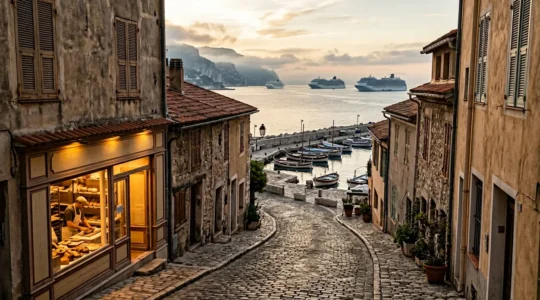
How to evade the 10,000-person cruise ship crowd in Europe’s port cities
Forget ‘waking up early’—the real secret to beating cruise ship crowds is mastering temporal arbitrage and reversing the tourist flow. Use real-time marine tracking to predict precisely when streets will be empty. Ditch port-side tourist traps by applying the ’10-minute…
Lire la suite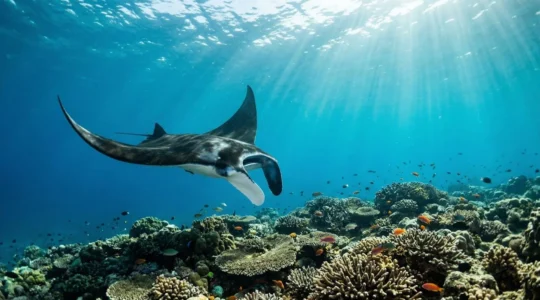
Exploring the Great Barrier Reef: Spotting Manta Rays Without Damaging Coral
Visiting the Great Barrier Reef responsibly is not about a simple checklist; it’s about understanding the fragile systems you are entering to become an active guardian, not just a tourist. Your choice of sunscreen, tour operator, and even your swimming…
Lire la suite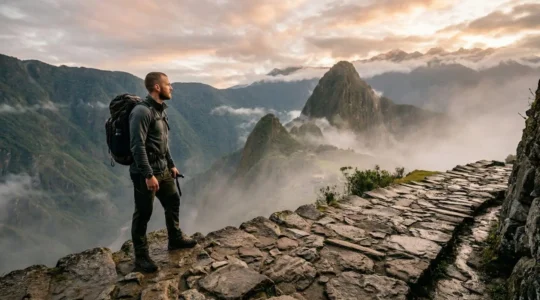
Machu Picchu Ruins for British Hikers: Beating Altitude Sickness at 2,430 Metres
Your extensive UK hiking experience is a poor predictor of success in the Andes; physiological humility and disciplined acclimatisation are what will prevent severe altitude sickness on your Inca Trail trek. Altitude sickness risk is determined by genetics and acclimatisation…
Lire la suite
How to Conquer Neon-Lit Tokyo on a £1,500 Budget and See It All
In summary: Ditch taxis and master the Suica card to avoid transport costs spiralling out of control. Choose your accommodation in Shinjuku for better last-train options, saving on late-night travel. Eat your main meal at lunchtime with ‘teishoku’ sets to…
Lire la suite