Accommodation
Finding the right place to sleep is often the cornerstone of any successful trip. Imagine your accommodation not just as a place to store your luggage, but as the basecamp for your entire travel experience. Whether you are navigating the bustling streets of a major metropolis or seeking solitude in a remote mountain range, where you choose to stay significantly shapes your daily routine, energy levels, and overall connection to the destination. Think of your lodging as the lens through which you experience a new environment; a poorly chosen room can add unnecessary friction to your days, while the right environment provides a comforting sanctuary to recharge.
The world of travel lodging has expanded far beyond the standard roadside motel. Today, the hospitality industry offers a vast ecosystem of temporary homes tailored to every conceivable preference, budget, and travel philosophy. This resource breaks down the fundamental categories of lodging, the mechanics of securing the best rates, and the critical criteria necessary to make an informed, confident decision for your next journey.
Understanding the Spectrum of Lodging Options
The hospitality landscape is incredibly diverse. Recognizing the distinctions between different types of properties is the first step in aligning your lodging with your travel goals. Each category offers a unique blend of privacy, services, and cultural immersion.
Traditional Hotels and Resorts
Hotels remain the most recognizable form of lodging, categorized globally by star-rating systems that evaluate service, infrastructure, and comfort. From independent boutique properties emphasizing local design to large multinational chains offering standardized reliability, hotels cater to travelers seeking structured services. Resorts take this a step further by operating as self-contained destinations, often bundling dining, entertainment, and recreational activities into a single complex. For instance, a traveler focused purely on relaxation might prioritize a resort’s all-inclusive amenities to minimize daily decision-making, while a city explorer might prefer a minimalist, centrally located hotel.
Hostels and Budget-Friendly Shared Spaces
Historically favored primarily by backpackers, hostels have evolved significantly. They operate on the philosophy of shared resources, which dramatically reduces individual costs. Modern establishments frequently offer private rooms alongside traditional dormitory-style sleeping arrangements. The defining characteristic of a hostel is its emphasis on communal areas—such as shared kitchens, lounges, and organized social events. This makes them an invaluable resource for solo travelers looking to connect with a global community while maintaining a strict budget.
Vacation Rentals and Serviced Apartments
Short-term rentals have fundamentally shifted how people travel, providing the opportunity to live like a local in residential neighborhoods. These properties range from single rooms in a host’s home to fully equipped luxury villas. This format is particularly advantageous for larger groups or families, as it allows for shared living spaces and the ability to prepare meals, thereby reducing dining expenses. Serviced apartments bridge the gap between hotels and rentals, offering hotel-like amenities such as regular housekeeping and front-desk security alongside the independence of a private kitchen.
Alternative and Immersive Stays
For those seeking a departure from conventional four walls, alternative lodging provides an experience in itself. This category encompasses glamping (glamorous camping) in safari tents, sleeping in repurposed historical structures like castles or lighthouses, and participating in rural farm stays. These options often prioritize environmental immersion and architectural uniqueness over standard luxury, appealing heavily to adventurous and culturally curious travelers.
Key Factors When Selecting Your Temporary Home
Choosing where to stay requires balancing emotional desires with practical logistical constraints. By evaluating a few core criteria, travelers can filter out mismatched properties and focus on options that genuinely enhance their itinerary.
Matching Accommodation to Travel Style
A business trip demands vastly different logistical support than a family vacation. When assessing a property, consider the primary objective of the journey. A business traveler might prioritize a reliable high-speed internet connection, dedicated workspaces, and proximity to transit hubs. Conversely, a family traveling with young children often requires flexible sleeping arrangements, on-site entertainment, and easy access to local parks or attractions.
Essential Amenities and Location Dynamics
The geographical position of a property dictates the daily rhythm of a trip. A centrally located hotel might command a higher nightly rate but can save significant time and transportation costs. When evaluating a potential stay, review the following critical elements:
- Proximity to planned activities, dining districts, and public transportation networks.
- In-room facilities such as climate control, kitchenettes, or accessible bathrooms.
- On-site services including luggage storage, laundry facilities, and 24-hour reception.
- Neighborhood safety profiles and general noise levels during the evening hours.
Understanding Meal Plans and Board Types
The terminology surrounding food inclusion can significantly impact a travel budget. Properties use standard industry terms to define what meals are included in the base rate. Room Only (RO) means no meals are provided, offering maximum flexibility to explore local restaurants. Bed and Breakfast (B&B) includes a morning meal, providing a convenient start to the day. Half Board typically covers breakfast and dinner, which is ideal for travelers spending their days exploring but returning to the property in the evening. Finally, all-inclusive packages cover all meals and often local beverages, creating a predictable financial environment.
Effective Booking Methods and Strategies
Securing accommodation involves navigating a complex digital marketplace. Understanding the mechanics of reservation platforms and property policies ensures you receive the best possible value and flexibility for your investment.
Direct Booking Versus Online Travel Agencies
Travelers typically face a choice between reserving directly with the property or using an Online Travel Agency (OTA). Think of OTAs as a digital shopping mall—excellent for browsing, comparing various brands under one roof, and reading verified guest reviews. However, booking directly through a hotel’s official website is akin to visiting the artisan’s workshop. Properties frequently reserve their most favorable cancellation terms, complimentary room upgrades, or loyalty program points for direct customers. A standard strategy is to use OTAs for initial research and comparison, then contact the property directly to finalize the transaction.
Navigating Policies and Hidden Fees
The advertised nightly rate is rarely the final cost of a stay. To avoid unexpected expenses and logistical headaches, travelers must carefully scrutinize the fine print before confirming a reservation. Pay close attention to these crucial steps:
- Review the specific cancellation window to determine if the booking is fully refundable, partially refundable, or strictly non-refundable.
- Identify mandatory resort or destination fees, which are often collected upon check-in to cover amenities like pool access or fitness centers.
- Confirm local tourist or city taxes, which are frequently excluded from the initial online quote and must be paid locally upon departure.
The Rise of Sustainable and Eco-Friendly Lodging
As global environmental awareness grows, the hospitality sector is increasingly adopting sustainable practices. Eco-friendly lodging focuses on minimizing the environmental footprint while maximizing positive contributions to the local community. This involves energy-efficient infrastructure, comprehensive waste reduction programs, and a strong commitment to sourcing food and labor locally.
When searching for responsible accommodation, look beyond superficial environmental claims. Authentic eco-lodges often hold recognized third-party certifications. They implement visible practices such as eliminating single-use plastics, utilizing renewable energy sources, and actively supporting local conservation projects. Furthermore, choosing independent, locally-owned guesthouses directly injects capital into the immediate community, allowing travelers to participate in preserving the ecological and cultural integrity of their chosen destination.
Navigating the vast array of travel accommodation requires a strategic blend of personal preference, thorough research, and financial planning. By understanding the distinct characteristics of various lodging types—from the structured environment of a traditional hotel to the communal atmosphere of a modern hostel—travelers can make informed decisions that elevate their journey. Remember that the ideal temporary home is one that not only fits your budget but also seamlessly supports the broader objectives of your adventure. Taking the time to evaluate booking methods, essential amenities, and sustainable options ultimately leads to a more enriching, comfortable, and stress-free travel experience.

Vacation rentals in France: tips, destinations, and must-see accommodations
France recorded 257.8 million overnight stays in tourist accommodation during summer 2025—a 3.7% surge that signals one clear trend: travellers are bypassing standard hotels for more personal spaces. Yet sifting through thousands of listings to find a genuinely exceptional villa…
Lire la suite
A getaway in tune with the tides: discover Île de Ré from your rental
The first thing visitors notice isn’t the beaches. It’s the rhythm. On Île de Ré, the sea pulls back and returns like a slow breath, reshaping your day before you’ve even unpacked. The harbour empties, the sandbanks appear, and suddenly…
Lire la suite
Book a unique rental and enjoy an unforgettable stay on Île de Ré!
Finding a rental that genuinely fits a dozen people—without cramming everyone into too few bedrooms or splitting the group across multiple properties—remains the single biggest frustration for families planning gatherings on France’s Atlantic coast. The typical scenario: three siblings coordinating…
Lire la suite
Staying on Île de Ré: everything you need to know about available rentals
A slender bridge connects La Rochelle to a 30-kilometre stretch of salt marshes, vineyards and whitewashed villages where cycling trumps driving and oysters come straight from the water. Île de Ré has long attracted those seeking an Atlantic escape without…
Lire la suite
Spotting Genuine Sustainable Nature Lodges: An Auditor’s Guide to Avoiding Holiday Greenwashing
You’re told to look for ‘eco-friendly’ labels and reuse your towels, but this is often a smokescreen. True sustainability is not in the marketing you see, but in the infrastructure you don’t. This guide provides an auditor’s toolkit to bypass…
Lire la suite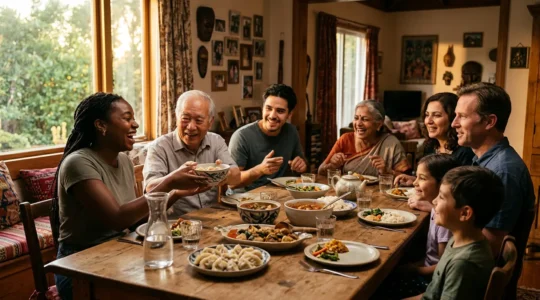
Cultural Immersion Through Homestays: Trading the Hilton for Authentic Hospitality
True cultural immersion isn’t found, it’s built. The key is consciously shifting from a transactional guest mindset to one of relational connection. Vet potential hosts for relational cues in their profiles, not just for the quality of their amenities. Choose…
Lire la suite