Nature & Adventure
The desire to disconnect from urban routines and reconnect with raw landscapes has elevated nature and adventure travel from a niche pursuit to a fundamental pillar of modern tourism. Unlike traditional leisure trips, embarking on a wilderness expedition is an active dialogue with the environment. It involves trading paved roads for rugged trails, predictable itineraries for the spontaneity of the wild, and passive observation for physical engagement.
Whether you are planning a multi-day trek across alpine ridges or a kayak journey through dense mangroves, understanding the mechanics of outdoor exploration is essential. This resource delves into the core components of outdoor travel, breaking down the necessary preparation, equipment, and ethical considerations required to navigate the world’s most pristine environments safely and responsibly. Think of this as the foundation upon which you can build a lifetime of outdoor pursuits, shifting your perspective from a mere visitor to an informed explorer.
The Fundamentals of Outdoor Exploration
Adventure travel is defined by a delicate balance between pushing personal boundaries and respecting the unpredictable forces of nature. It is not necessarily about extreme sports or life-threatening adrenaline rushes; rather, it revolves around the concept of calculated risk. By assessing environmental variables and matching them with your current skill set, you can transform a daunting wilderness into an accessible playground.
Immersion in Diverse Ecosystems
Every biome presents its own unique set of challenges and rewards. Navigating the dense, humid undergrowth of a tropical rainforest requires a different approach than traversing the exposed, arid expanses of a high-altitude desert. Recognizing these differences is the first step in successful trip planning. The human body must adapt to varying levels of oxygen, fluctuating temperatures, and distinct biological threats. Immersing oneself in these diverse ecosystems fosters a deeper appreciation for global biodiversity and the intricate web of life that sustains these fragile habitats.
The Balance Between Risk and Reward
Venturing off the grid inherently involves leaving behind the safety nets of modern infrastructure. This isolation is both the primary appeal and the main hazard of adventure travel. The reward lies in the profound sense of accomplishment and the mental clarity that comes from self-reliance. However, this must be counterbalanced by rigorous planning. A successful adventurer approaches the wild with humility, recognizing that weather patterns can shift rapidly and terrain can become impassable without warning.
Strategic Planning for Wilderness Expeditions
A successful journey is often won or lost before leaving home. Meticulous planning serves as your strongest safety mechanism, ensuring you are equipped to handle the unexpected while maximizing your enjoyment of the natural world.
Selecting the Right Terrain and Destination
Choosing a destination should be a methodical process based on objective self-assessment rather than merely following popular social media trends. When evaluating a potential route, consider the following parameters:
- The total distance and the daily elevation gain expected.
- Historical weather patterns for the specific season of your trip.
- The availability of natural water sources along the route.
- The proximity to emergency services or extraction points.
By analyzing these factors, you can select an environment that stretches your capabilities without overwhelming them, ensuring a safe and rewarding experience.
Physical and Mental Conditioning
Endurance in the wild requires more than standard cardiovascular fitness; it demands functional strength and psychological resilience. Walking on an uneven trail with a loaded backpack engages stabilizing muscles that are rarely used in a standard gym setting. Mental conditioning is equally vital. The ability to remain calm during a sudden downpour or when dealing with equipment failure is what separates a seasoned traveler from a panicked tourist. Training programs should simulate the specific stressors of your chosen activity, incorporating loaded hikes, uneven terrain, and exposure to various weather conditions.
Essential Gear and Technical Equipment
In the backcountry, your equipment functions as your life support system. Investing in high-quality, reliable gear is non-negotiable, but understanding how to properly use and maintain it is even more critical for your safety.
The Principles of Layering and Footwear
Regulating body temperature is paramount to preventing both hypothermia and heat exhaustion. The standard approach relies on a strategic layering system, which allows for quick adjustments based on exertion levels and atmospheric shifts.
- Base Layer: Designed to wick moisture away from the skin. Materials like merino wool or synthetic blends are ideal, whereas cotton should be strictly avoided as it retains sweat and causes rapid cooling.
- Insulating Layer: Traps body heat. Fleece jackets or down-filled garments provide excellent warmth-to-weight ratios, keeping your core temperature stable.
- Outer Shell: Protects against wind and precipitation. A high-quality waterproof and breathable jacket is essential for maintaining a dry internal environment.
Complementing this system is your footwear. The choice between rigid mountaineering boots and lightweight trail runners depends entirely on the weight of your pack, the ruggedness of the trail, and your personal ankle strength.
Navigation and Emergency Tools
Despite the convenience of GPS applications on smartphones, relying solely on battery-powered technology is a critical vulnerability. A comprehensive navigation kit must include a physical topographic map and a magnetic compass, alongside the knowledge of how to triangulate your position. Furthermore, carrying a satellite messenger or a personal locator beacon has become a standard safety protocol for remote travel, allowing you to summon emergency services from anywhere on the globe when cellular networks inevitably fail.
Nutritional Strategies and Sustenance in the Wild
Moving through challenging terrain with a heavy pack exponentially increases your metabolic rate. Nutrition in adventure travel is not about culinary indulgence, but about maximizing caloric density and maintaining energy levels over prolonged periods of physical exertion.
Caloric Density and Trail Nutrition
Think of your body as a high-performance engine navigating a steep mountain pass; it requires premium fuel to maintain optimal output. When carrying every ounce of your food, the focus shifts to provisions that offer the highest amount of calories per gram. Nuts, seeds, dehydrated meals, and complex carbohydrates become the staples of a backcountry diet. Planning your meals requires calculating your daily caloric expenditure, which can easily double or triple compared to a sedentary day. Consuming small, frequent snacks throughout the day prevents the sudden energy crashes that can compromise both your physical performance and your decision-making abilities.
Water Purification and Hydration Management
Dehydration is one of the most common and preventable hazards in the outdoors. Even a mild drop in hydration levels can lead to muscle cramps, fatigue, and altitude sickness. In remote areas, relying on natural water sources means you must be proficient in water purification techniques.
- Mechanical Filtration: Pump or gravity filters physically remove bacteria and protozoa, making them ideal for clear but potentially contaminated streams.
- Chemical Treatment: Iodine or chlorine dioxide tablets are lightweight and effective against viruses, though they require a waiting period before consumption.
- Ultraviolet Purification: UV light pens neutralize pathogens quickly but require clear water and charged batteries to function properly.
A comprehensive hydration strategy often involves combining these methods to ensure a constant supply of safe drinking water, regardless of the environment you are exploring.
Ecotourism and Responsible Travel Ethics
As the popularity of outdoor exploration grows, so does the collective impact on natural habitats. Responsible adventure travel requires a strict commitment to minimizing your ecological footprint and supporting the conservation of the pristine areas you visit.
Implementing Leave No Trace Guidelines
The foundation of environmental stewardship in the outdoors is built upon the widely recognized Leave No Trace framework. This philosophy goes beyond simply packing out your trash. It involves walking on durable surfaces to prevent soil erosion, camping at a safe distance from lakes and streams to protect fragile riparian zones, and completely extinguishing campfires until the ashes are cold to the touch. By adhering strictly to these practices, travelers ensure that the wilderness remains intact for future generations and that local ecosystems are not degraded by human presence.
Respecting Wildlife and Local Communities
Encountering animals in their natural habitat is a profound experience, but it must be conducted from a safe and respectful distance. Using binoculars or telephoto lenses allows for observation without causing stress to the animal or altering its natural foraging and hunting behaviors. Additionally, adventure travel often brings us into contact with indigenous populations and remote villages. Engaging with these communities respectfully, hiring local guides, and purchasing regional supplies injects capital directly into the local economy. This approach transforms tourism into a powerful tool for community development and provides an economic incentive for environmental protection.
Nature and adventure travel offers an unparalleled avenue for personal growth, physical challenge, and environmental connection. By approaching the outdoors with rigorous preparation, high-quality equipment, and a steadfast commitment to ecological ethics, you unlock the true potential of these wild spaces. The transition from a casual observer to a capable adventurer is an ongoing process of learning and adaptation. As you plan your next expedition, remember that the ultimate goal is not to conquer nature, but to coexist with it harmoniously, drawing strength from its challenges and deep inspiration from its enduring beauty.

What activities can you enjoy from your rental on Île de Ré?
Île de Ré stretches just 30 kilometres long yet packs enough variety to fill a week without repetition. Whether your villa sits in the fortified harbour of Saint-Martin or among the dunes of Les Portes, every beach, salt marsh, and…
Lire la suite
Conquering European Hiking Trails: Transitioning From Weekend Walks to the Tour du Mont Blanc
The common belief that logging long-distance miles in the UK fully prepares you for the Tour du Mont Blanc is a dangerous misconception. Success in the Alps is dictated by your ability to manage massive daily vertical elevation and the…
Lire la suite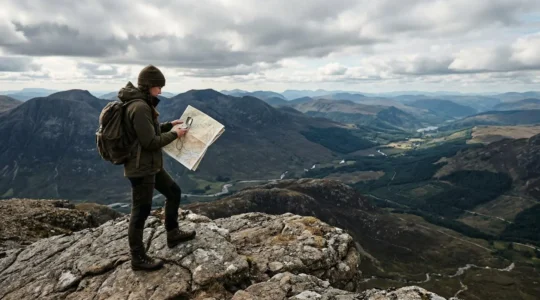
How to Explore Off-Grid Landscapes Safely and Never Get Lost Again
Relying on your smartphone for off-grid navigation is a recipe for disaster; true safety comes from mastering a system that anticipates and thrives on technological failure. Digital tools (phones, consumer apps) have critical failure points in cold, wet, or remote…
Lire la suite
How to Earn Your Scuba Diving Certification Abroad Without Risking Your Life?
Most advice on choosing a dive school abroad is dangerously superficial; the cheapest price is a direct indicator of compromised safety standards, not a bargain. A suspiciously low price is funded by cutting corners on regulator maintenance, instructor experience, and…
Lire la suite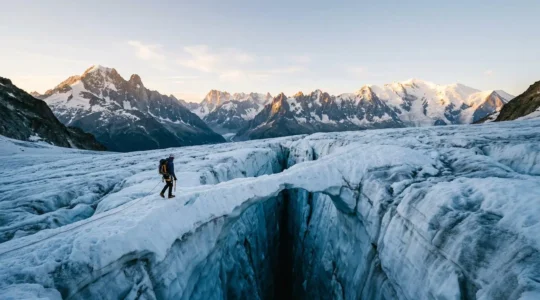
Conquering Glacial Peaks: Essential Crevasse Rescue Skills for the Alps
You believe your cardio and strength from the climbing gym have prepared you for the Alps. They haven’t. This guide reveals why alpine survival is less about physical power and more about a brutal, counter-intuitive understanding of ice, weather, and…
Lire la suite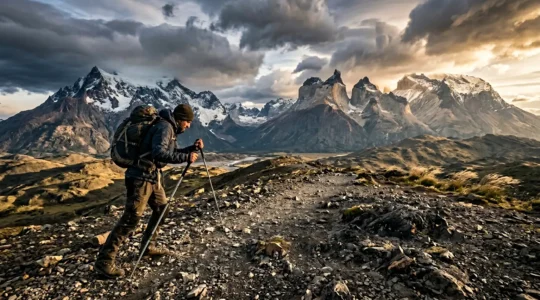
Hiking the Rugged Patagonian Andes: Surviving 100mph Winds and Freezing Nights
Your hard-won UK mountain experience is a liability in Patagonia, not an advantage. Standard expedition gear, particularly tents, is not rated for the unique physics of Patagonian wind and will fail catastrophically. Conventional layering techniques can lead directly to life-threatening…
Lire la suite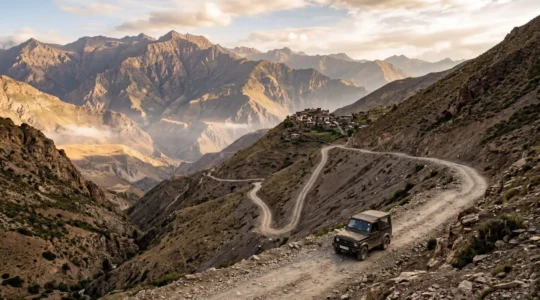
How to Safely Reach Remote Villages When Public Transport Ceases?
Relying solely on your GPS to reach a remote village isn’t just optimistic—it’s the first link in a chain of preventable failures. Digital maps are notoriously unreliable on unpaved, unmaintained, and private rural roads, leading to significant navigational errors. Vehicle…
Lire la suite