Culture & Traditions
Stepping into a new country is about far more than simply ticking renowned landmarks off a scenic itinerary. True cultural travel requires an intentional shift from being a passive observer to an engaged, respectful participant. Immersing yourself in global Culture and Traditions means understanding the unspoken rules, the historical context, and the daily rhythms of the communities you visit. It is the difference between feeling like a confused outsider and experiencing a profound, authentic connection with your destination.
However, navigating unfamiliar customs can be daunting. From decoding strict dress codes at sacred monuments to understanding the subtle nuances of local market etiquette, the modern traveller faces a myriad of potential missteps. Whether you are seeking to participate in vibrant festivals, taste authentic regional gastronomy, or explore ancient ruins without contributing to overtourism, preparation is key. This comprehensive exploration will equip you with the practical knowledge needed to travel ethically, safely, and with deep cultural awareness.
Navigating Historical and Sacred Sites with Respect
Visiting the world’s architectural marvels and spiritual epicentres is a profound experience, but doing so without adequate preparation often leads to frustration or unintentional offence. Timing, attire, and behaviour are crucial components of a successful visit.
Timing Your Visits for the Best Experience
One of the most common mistakes travellers make is arriving at major landmarks during peak hours. Midday visits to European cathedrals or ancient ruins almost guarantee peak frustration, as you will be battling massive crowds, echoing noise, and harsh overhead sunlight that flattens architectural details. Instead, plan your itinerary strategically:
- Morning light: Arriving at heritage sites just after sunrise offers optimal lighting for photography, casting long, dramatic shadows that highlight intricate stonework.
- Temperature control: Exploring unlisted ruins or expansive UNESCO sites early in the day helps you avoid the exhausting midday heat, particularly in Mediterranean or tropical climates.
- Authentic rituals: Visiting historical monuments during early morning hours often allows you to witness authentic, quiet rituals performed by locals before the tourist buses arrive.
Decoding Dress Codes and Modesty Rules
What you wear is a direct reflection of your respect for the local culture, especially in sacred spaces. The sleeveless mistake, for instance, gets countless tourists turned away from the Vatican and similar religious sites daily. Understanding how to adapt your wardrobe to the local climate while maintaining modesty is a vital travel skill.
Consider these essential clothing strategies:
- Carry a versatile pashmina to instantly convert a sleeveless summer dress into appropriate attire for mosque or temple entry.
- Choose breathable fabrics; linen trousers often breathe significantly better than heavy maxi skirts in 40-degree heat while keeping your legs respectfully covered.
- Layer your clothing effectively to manage the rapid transitions between sweltering outdoor heat and aggressively air-conditioned museums or transport hubs.
Understanding Photography and Trespassing Rules
Capturing memories is important, but not at the expense of preservation or respect. The flash photography error is a surefire way to get banned from delicate environments, as intense light bursts degrade ancient pigments and textiles. Furthermore, straying off designated paths is not just a safety risk; the sacred land trespassing mistake often leads to immediate, heavy fines and deep offence to indigenous communities who view the land as spiritually significant.
Participating in Local Festivals and Rituals
Festivals offer a vibrant, unfiltered glimpse into a culture’s soul. However, participating in these high-energy celebrations requires a delicate balance of enthusiasm, safety awareness, and deep cultural sensitivity.
Preparing for High-Energy Celebrations
Events like India’s Holi or Diwali are spectacular, but they can quickly overwhelm the unprepared traveller. Wearing expensive designer clothes to Holi is a costly mistake, as the vibrant coloured powders will permanently stain any fabric. Similarly, understanding the scale of these events is crucial. For beginners, the relatively contained Pushkar Camel Fair might be a safer introduction to massive gatherings than the overwhelming scale of the Kumbh Mela.
To navigate festivals safely, consider the following:
- Secure a safe balcony view for chaotic festivals like Diwali by booking locally-owned guesthouses well in advance, avoiding overpriced VIP packages.
- Protect your essential gear by using dedicated waterproof and dust-proof housings for your DSLR camera to shield it from coloured powder and water.
- Avoid the common street food error of eating highly perishable items late in the festival day; stick to freshly cooked, boiling hot food to prevent ruining your experience with illness.
The Importance of Informed Consent
Cultural immersion must never become exploitative. Photographing tribal elders without explicit permission breaches local trust and reduces human beings to mere tourist attractions. Always ask for informed consent before taking portraits or participating in sacred rituals. Adjusting your body language—such as lowering your camera, making respectful eye contact, and learning the traditional physical greeting—shows instant respect and often opens the door to genuine, willing interaction.
Engaging with Local Economies and Artisans Ethically
Where you spend your money has a profound impact on the communities you visit. Ethical travel means ensuring that your financial footprint supports local artisans, authentic guides, and sustainable initiatives rather than exploitative tourist traps.
Choosing the Right Guides and Tours
A knowledgeable guide transforms a pile of stones into a living history. While guided audio tours are excellent for unlocking hidden architectural details at your own pace, hiring an expert local historian brings the narrative to life through personal anecdotes and cultural context—often for a highly reasonable fee if sourced directly. When selecting operators, always verify their ethical credentials. Community-led tours ensure that your money directly benefits the residents, whereas large foreign agencies often siphon profits out of the local economy.
Avoiding Common Tourist Traps and Scams
Navigating bustling tourist hubs requires vigilance. Be wary of restaurants with staff aggressively touting outside; they are almost always overpriced tourist traps serving sub-par, westernised food. Similarly, beware of the friendly local guide scam, which often begins with a casual conversation and ends with you being dragged into a high-pressure carpet or jewellery shop.
Furthermore, be highly sceptical of short-term voluntourism. The volunteering trap frequently exploits vulnerable communities by creating a revolving door of unqualified tourists, ultimately disrupting local employment and social structures.
Supporting Authentic Markets
To truly experience local commerce, you must know when and where to shop. Visiting the local market at dawn allows you to see real traders exchanging fresh produce, whereas arriving at noon means you will only encounter stalls selling mass-produced souvenirs. Additionally, consider the source of your purchases. Buying souvenirs from wandering street vendors often harms local artisans by undercutting authentic, handcrafted goods with cheap, imported replicas. Instead, seek out certified cooperative workshops or unlisted neighbourhood festivals for genuine crafts.
Mastering Cultural Immersion Without the Overwhelm
Immersing yourself in a radically different culture is deeply rewarding, but the sensory input can sometimes trigger extreme travel anxiety. Managing your energy, palate, and navigation strategies is essential for a sustainable trip.
Beating Sensory Overload in Bustling Cities
Asian markets and chaotic urban centres are thrilling, but the combination of intense smells, loud noises, and dense crowds can cause immediate sensory overload. To combat this, establish a grounding morning routine before leaving your accommodation—whether it is a quiet tea ritual or reviewing your daily map. Opting for guided acclimatisation tours on your first day is often far less stressful than solo wandering, as a local expert can gently introduce you to the chaotic traffic patterns and market etiquette.
Overcoming Language and Navigation Barriers
Looking lost makes you a target for scams. The constant street navigation error of staring at a smartphone map on a busy corner flags you as a vulnerable tourist. Instead, step into a shop or cafe to check your route. To quickly overcome the language barrier for basic needs, learn five essential phrases in the local dialect and download offline translation tools, which instantly demonstrates effort and earns goodwill from locals.
Gastronomic Etiquette and Pacing
Exploring regional gastronomy and viticulture is a pillar of cultural travel, but it requires strategic pacing. When touring grand cru wine estates, making the walk-in mistake will often get you rejected; these prestigious locations require appointments months in advance. To avoid afternoon palate fatigue, schedule your heaviest red wine tastings for the late afternoon, and remember that swallowing every sample quickly destroys your palate by noon—spitting is the professional, respected norm.
For a better tasting pace, consider the differences in transport:
- E-Bike Tours: Offer a leisurely, highly immersive pace between vineyards, allowing you to absorb the terroir and sobering up in the fresh air.
- Minibus Excursions: Better for covering vast regions or when purchasing heavily, though they can feel slightly more disconnected from the landscape.
Finally, if you discover exceptional local vintages, research how to ship bottles back home legally to avoid paying absurd customs duty, ensuring your cultural discoveries can be savoured long after your journey ends.

A Smart Traveller’s Guide to Religious Dress Codes: Stay Chic and Cool in the Middle East
Dressing for conservative countries isn’t about hiding your style; it’s a strategic art of adaptation that transforms your existing wardrobe into something elegant and appropriate. Layering breathable fabrics is the secret to managing the shock between intense outdoor heat and…
Lire la suite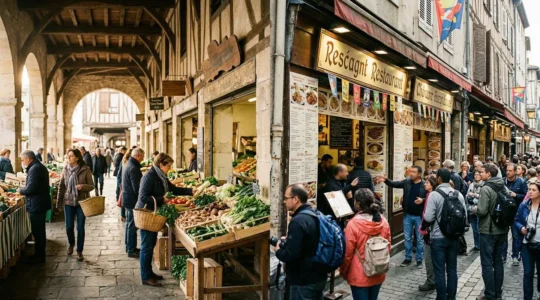
Finding Authentic Experiences: How to Bypass the Fake « Traditional » Dinner Shows
In summary: The frustration with « staged authenticity » in travel is common, but finding genuine experiences isn’t about luck; it’s a skill. True immersion comes from learning to decode the subtle « semiotic cues » of a place—the signs that distinguish a local…
Lire la suite
Exploring Bordeaux: How to Taste at 5 Châteaux Without a DUI Dilemma
The « designated driver » argument is the single biggest point of friction for couples on a wine tour; the solution isn’t sacrifice, but superior logistical planning. Blend transport options using a « hub-and-spoke » model to eliminate drink-driving risks entirely. Structure your tasting…
Lire la suite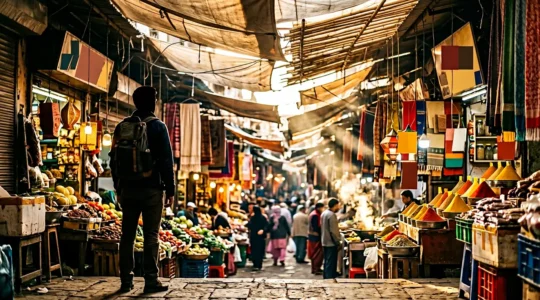
Thriving in Foreign Environments: How to Beat Culture Shock in 48 Hours?
The secret to overcoming acute culture shock is counter-intuitive: stop trying to immediately ’embrace the chaos’ and instead, strategically build a ‘psychological fortress’ to manage your mental energy. Sensory overload is a physiological reality, not a personal failure. Your brain…
Lire la suite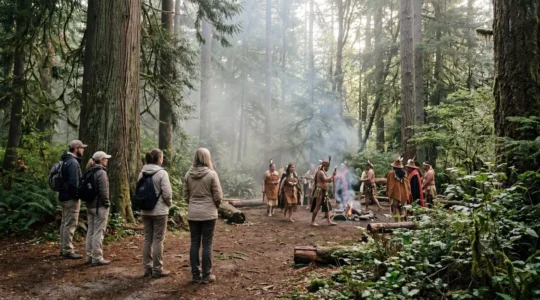
How to Engage With Indigenous Cultures Respectfully
True respect for Indigenous cultures isn’t about mere politeness; it’s about actively recognising their sovereignty and agency in every interaction. This means prioritising community-led enterprises over foreign agencies to ensure economic benefits flow directly back to the people whose land…
Lire la suite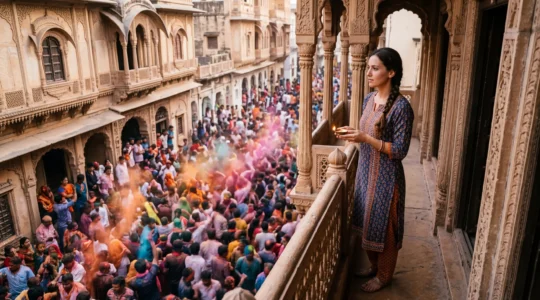
Surviving the Chaos: Navigating Indian Festivals Safely for Solo Female Travellers
The secret to safely enjoying India’s festivals isn’t avoiding the chaos, but mastering its unspoken rules. Effective safety comes from strategic participation and cultural adaptation, not fearful observation. Managing your sensory input and projecting confidence are more critical than any…
Lire la suite
How to Support Authentic Cultural Heritage and Stop Funding Tourist Traps
The most well-intentioned ethical tourism often fails because travellers follow generic advice, falling into sophisticated traps designed to look authentic while exploiting local communities. Your money’s journey is the most reliable indicator of ethical practice; tracing this « money trail » reveals…
Lire la suite
Beyond the Selfie: Experiencing Architectural Marvels Without the Tourist Crowds
The secret to experiencing world heritage isn’t finding an empty monument; it’s learning to see it with a historian’s eyes, even when surrounded by others. True appreciation comes from deliberate observation and understanding a site’s hidden narrative, not just avoiding…
Lire la suite