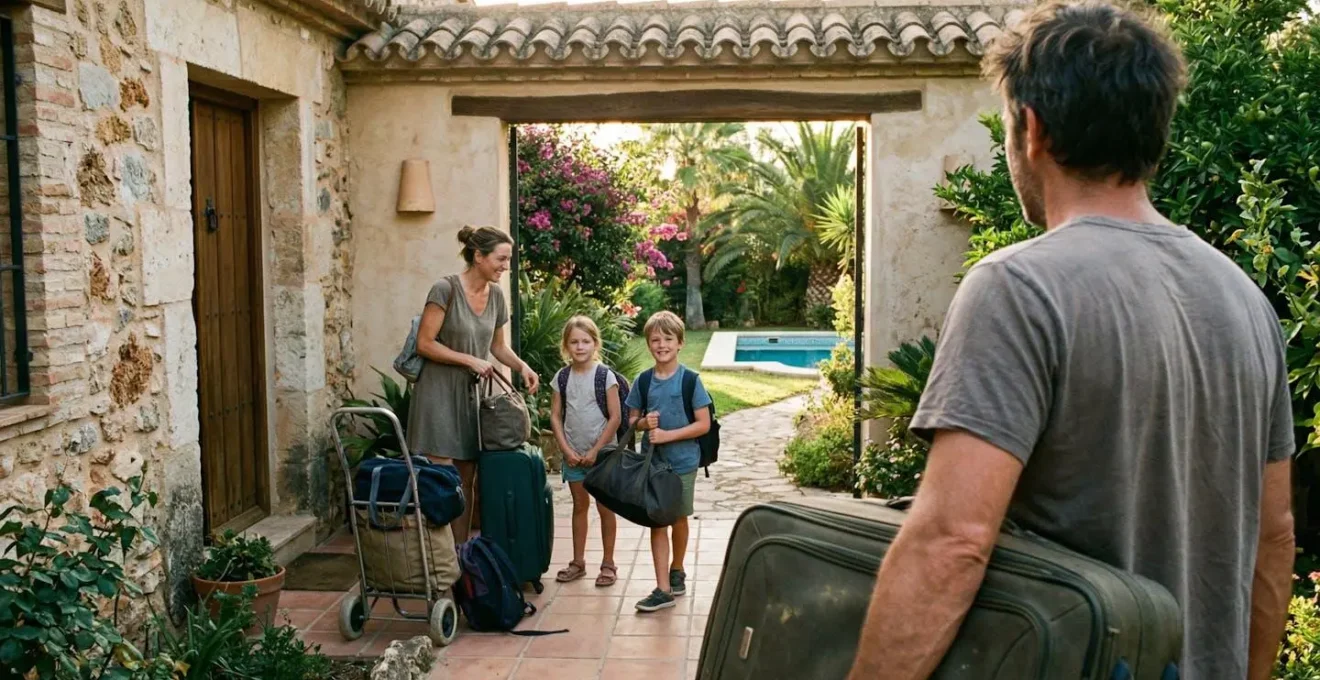
France recorded 257.8 million overnight stays in tourist accommodation during summer 2025—a 3.7% surge that signals one clear trend: travellers are bypassing standard hotels for more personal spaces. Yet sifting through thousands of listings to find a genuinely exceptional villa remains the most frustrating part of planning a French holiday.
The promise of a private pool, a kitchen stocked with local produce, and evenings spent on a terrace with a glass of Chablis sounds idyllic—until reality sets in. Photos that flatter more than they inform. Vague descriptions. Hidden cleaning fees revealed at checkout.
This guide cuts through the noise. Rather than compiling yet another list of destinations, the focus here is on quality indicators that separate memorable stays from disappointing ones, and on the regions where premium rentals genuinely deliver on their promises.
Your French villa booking priorities in 30 seconds:
- Île de Ré, Provence, and the Loire Valley consistently attract discerning travellers seeking curated rentals
- Look for properties with official French star ratings (1-5 stars) verified against 133 quality criteria
- Book premium properties 4-6 months in advance for peak summer availability
- Agencies that personally vet properties reduce the “photos vs reality” risk significantly
What makes French vacation rentals worth the journey
Hotels offer predictability; vacation rentals offer something rarer—space to actually live. A family of four in a Parisian hotel pays premium rates for cramped quarters. The same budget in the Dordogne secures a stone farmhouse with a garden, a fully equipped kitchen, and enough room for children to roam without disturbing neighbouring guests.
According to summer 2025 data published by INSEE, France’s collective tourist accommodation sector grew by 9.1 million overnight stays compared to 2024, with revenue climbing 7.8% while prices rose only 3.4%. The numbers confirm what seasoned travellers already sense: France rewards those who plan ahead.
257.8
million
Overnight stays recorded in French tourist accommodation during summer 2025
The distinction between a forgettable rental and a standout one often comes down to service level. Standard listings on major platforms offer keys, Wi-Fi, and a brief welcome message. Premium rentals—particularly those booked through specialist agencies—include welcome hampers stocked with regional products, concierge services for restaurant bookings, and sometimes access to a private chef. For travellers seeking authentic hospitality through homestays and genuine local immersion, these details transform a holiday into a curated experience.
Coastal escapes and island retreats: where luxury meets the Atlantic
The Côte d’Azur commands attention—and premium prices to match. But travellers in the know have shifted their gaze westward, to France’s Atlantic coast, where Île de Ré has quietly established itself as the destination for those who prefer understated elegance over Mediterranean crowds.
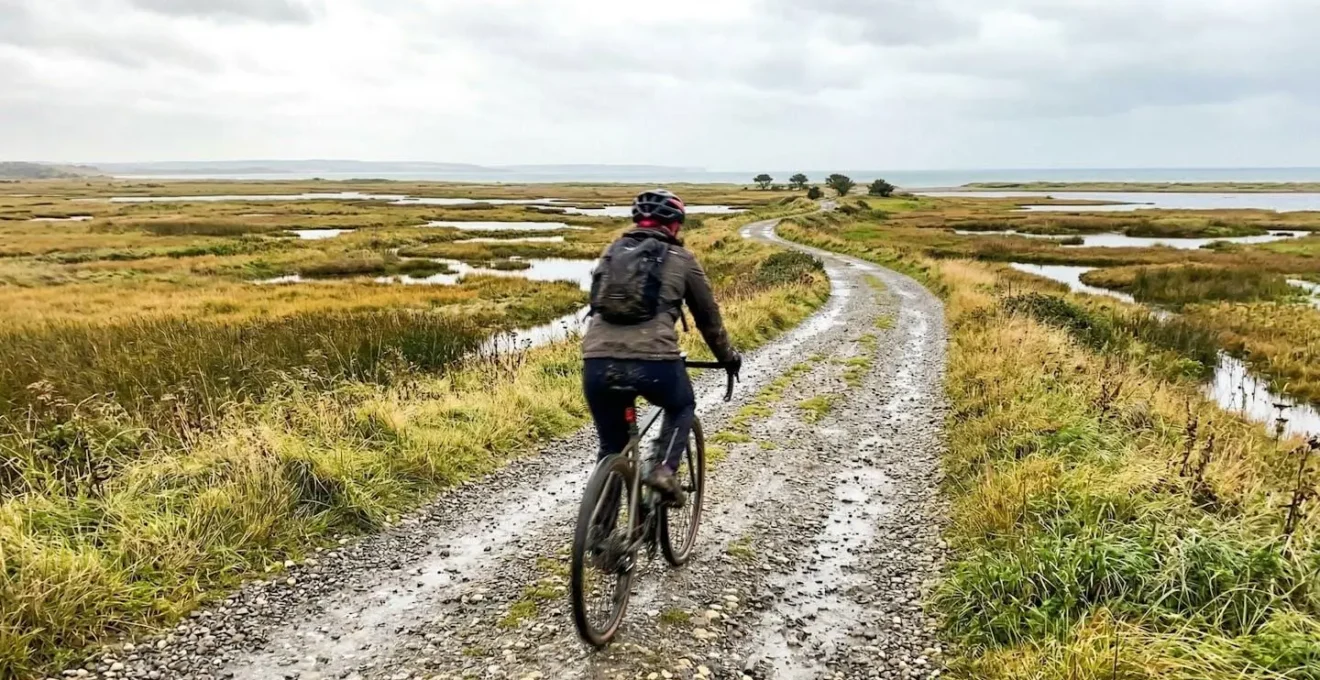
Connected to La Rochelle by a graceful bridge, this slender island spans just 30 kilometres but concentrates an unusual density of whitewashed villages, oyster shacks, and salt marshes. The cycling culture here is genuine—most visitors abandon their cars upon arrival and navigate via the island’s extensive network of paths.
For those seeking villa rentals with hotel-level amenities, agencies specialising in Île de Ré have refined the formula. Travel Paradise represents one such approach, curating properties where concierge services and optional private chef arrangements come standard rather than as afterthoughts. The difference is subtle but significant: instead of arriving to an empty house and spending the first afternoon hunting for provisions, guests find pantries stocked and local recommendations tailored to their interests.
Further south along the Atlantic, the Basque coast near Biarritz offers a different flavour of coastal living. The aesthetic shifts from Île de Ré’s refined simplicity toward something more dramatic—crashing waves, surfer culture, and villas perched above the sea. Premium properties in Saint-Jean-de-Luz command €4,000 to €7,000 per week during high season, though the combination of beach access, mountain views, and proximity to Spanish gastronomy justifies the investment for many families.
Beyond the coastline: Provence, Dordogne, and the Loire Valley
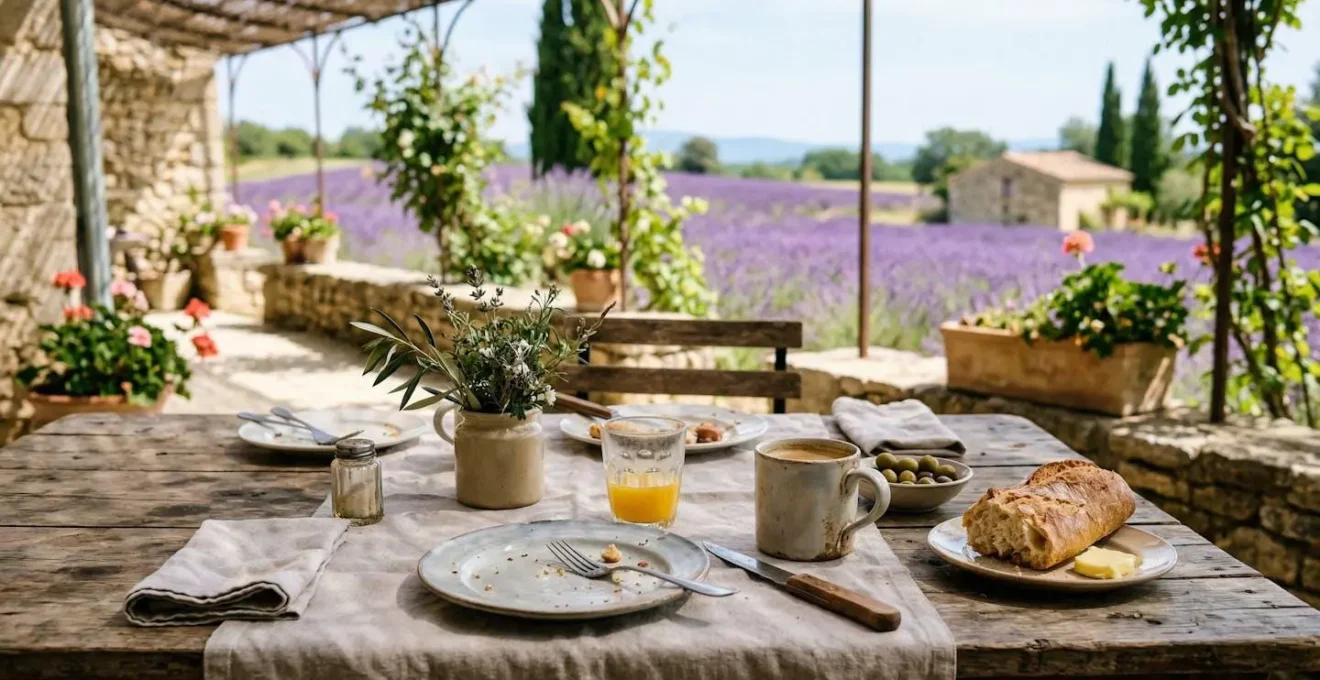
Coastal destinations capture attention, but France’s interior offers arguably stronger value for quality-conscious travellers. Provence delivers exactly what its postcards promise—lavender fields, stone villages, and markets overflowing with local produce. The challenge lies in distinguishing genuinely characterful properties from those that merely photograph well.
Consider a family seeking a week in the Luberon. Generic platforms might surface hundreds of options, from modest gîtes to converted farmhouses. What they won’t reveal is whether the “private pool” sits five metres from the neighbour’s terrace or whether “air conditioning” means a single unit struggling against August heat. Curated collections from specialist agencies, by contrast, verify these details through personal inspection.
The Dordogne presents a compelling alternative for those willing to venture further from the Mediterranean. Châteaux, prehistoric caves, and a gastronomy scene rivalling any French region combine with notably gentler pricing than Provence or the coast. A well-appointed stone manor sleeping eight might run €2,500 to €4,000 per week—often half the equivalent near Nice.
The Loire Valley splits the difference between cultural richness and accessibility. Renaissance châteaux dot the landscape, cycling routes wind through vineyards, and Paris sits just over an hour away by TGV. Travellers can combine a villa stay near Amboise with day trips exploring French byways and hidden châteaux that organised tours rarely reach.
The comparison below outlines key characteristics across France’s most sought-after rental destinations, from Atlantic refinement to Mediterranean prestige.
| Region | Character | Peak season rate (4-bed villa) | Best for |
|---|---|---|---|
| Île de Ré | Understated Atlantic elegance | €3,500–€6,000/week | Cycling, seafood, refined calm |
| Provence | Iconic French countryside | €3,000–€5,500/week | Markets, lavender, village life |
| Dordogne | Historic and gastronomic depth | €2,500–€4,000/week | Châteaux, cuisine, value |
| Loire Valley | Renaissance heritage meets wine | €2,800–€4,500/week | Culture, cycling, Paris access |
| Côte d’Azur | Mediterranean glamour | €5,000–€10,000+/week | Beaches, nightlife, prestige |
Rates are indicative estimates for 2026 high season based on market observation.
Booking with confidence: what seasoned travellers check first
The most common mistake? Trusting photographs alone. Professional staging, wide-angle lenses, and strategic framing can make a modest flat appear palatial. Experienced travellers take a different approach: they verify.
France operates an official vacation rental classification system managed by Atout France, the national tourism development agency. According to Atout France‘s classification framework, properties can voluntarily pursue a 1 to 5-star rating evaluated against 133 criteria spanning equipment, services, and sustainability. The classification remains valid for five years and offers travellers something rare: an objective quality benchmark independent of platform reviews.
Regulations have also tightened. As outlined by Service-Public.fr’s 2025 guidance, all vacation rental properties in France must be registered through a national online service by 20 May 2026. While this primarily affects hosts, it signals increased oversight that ultimately benefits guests through improved accountability.
Before you book: the quality signals that matter
-
Verify the exact address before payment—not just “Near Nice” but the specific commune
-
Request the property’s official star classification if claimed, or ask why it lacks one
-
Ask for unedited guest photos showing pool, kitchen, and bedroom details
-
Confirm all-inclusive pricing: cleaning fees, linen charges, and tourist taxes upfront
-
Check cancellation terms carefully—flexible policies suggest host confidence
Agencies that inspect properties personally offer an additional layer of assurance. The trade-off is a smaller selection and sometimes higher fees—but for travellers who value certainty over volume, the investment often prevents far costlier disappointments.

Red flags deserve attention too. Properties lacking any reviews after years of listing, hosts who deflect questions about specific amenities, or pricing dramatically below market rates often signal problems that become apparent only upon arrival. The most reliable insurance remains booking through channels that stake their reputation on every property they represent.
What travellers ask about French holiday rentals
Your questions answered
How far in advance should premium French villas be booked?
For peak summer dates (July–August), bookings four to six months ahead remain the industry standard for premium coastal properties in sought-after regions. Île de Ré, Provence, and the Côte d’Azur see particularly intense demand. Shoulder season (May–June, September) offers more flexibility, with quality availability often possible at two to three months’ notice.
Are French rental hosts typically English-speaking?
In tourist-heavy regions, basic English is common. Agencies catering to international clients typically provide bilingual support throughout the booking and stay. For independently listed properties in rural areas, language barriers can arise—consider this when evaluating whether to book direct or through an intermediary.
What distinguishes a gîte from a villa?
“Gîte” traditionally refers to a rural cottage or farmhouse conversion, often simpler in style and historically associated with the Gîtes de France network. “Villa” typically implies a more substantial property with private grounds, often including a pool. Usage varies considerably, so focus on specific amenities rather than terminology.
What hidden fees should be anticipated?
Cleaning fees (€100–€250), tourist taxes (€1–€4 per adult per night), and pool heating charges in cooler months are most common. Reputable agencies bundle these into quoted prices; platforms vary. Always request the complete cost breakdown before confirming any reservation.
Is travel insurance necessary for French villa stays?
Given cancellation policies that may retain significant deposits, travel insurance covering trip interruption and cancellation is strongly advisable. Some premium agencies include basic coverage; verify terms before assuming protection exists.
The difference between a French holiday that meets expectations and one that exceeds them often comes down to preparation. The regions, the properties, and the service levels exist—the challenge is knowing where to look and what questions to ask before committing.
Your next steps before booking
-
Identify whether coast, countryside, or wine region best matches your travel priorities
-
Compare agency-curated collections against platform listings for your target dates
-
Request property verification details—star rating, guest photos—before finalising