Thinking that ‘educational’ dolphin park is harmless? The smile is a lie, and the silence is a symptom of suffering.
- Captive dolphin ‘encounters’ are never ethical; they are a business built on animal suffering, no matter how well-marketed.
- Greenwashing is rampant. True ethical operators welcome tough questions and are transparent about their conservation efforts.
Recommendation: Reject any opportunity to see wildlife in captivity. Instead, use this guide to become an ocean steward who supports genuine conservation and truly wild encounters.
The dream is a powerful one: the sun on your back, the salt in the air, and the surreal experience of a dolphin breaking the surface beside you. For any animal lover, it’s a bucket-list moment. The tourism industry knows this. It packages this dream and sells it back to you, often with a “guaranteed sighting” at a marine park, complete with a photo-op and a story about education and conservation. They tell you to “do your research” and “choose an ethical provider,” knowing that these phrases are vague enough to keep you searching for a ‘good’ version of a fundamentally bad system.
But what if the entire premise is a lie? What if the search for an ‘ethical’ dolphinarium is a fool’s errand, a trap designed to monetise your good intentions? The truth is, the most well-meaning tourist, armed with a love for animals but not the right questions, is the perfect customer for an industry built on exploitation. This is not another guide to help you find a ‘nicer’ cage. This is a call to arms. It’s a blueprint for transforming yourself from a passive spectator into an active, informed ocean steward who can see through the marketing and make choices that genuinely protect the fragile ecosystems you’ve travelled so far to see.
This guide dismantles the myths peddled by the captive industry, equips you with the tools to identify truly responsible operators, and reveals how your everyday holiday choices—from the sunscreen you wear to the souvenirs you buy—have a profound impact on the health of our oceans. Prepare to look beyond the brochure and become the change the marine world desperately needs.
Contents: The Conscious Traveller’s Guide to Marine Protection
- Why Captive Dolphin Encounters Are Never Truly Ethical or Educational?
- How to Identify a Responsible Wildlife Tour in Southeast Asia?
- Coral Bleaching vs Natural Erosion: What Are You Really Seeing?
- The Souvenir Purchasing Mistake That Fuels the Illegal Shell Trade
- How to Contribute to Ocean Conservation While on a Beach Holiday?
- Why Standard Suncreams Bleach and Destroy Millennia-Old Coral Reefs?
- How to Verify the Ethical Credentials of a Heritage Tour Operator?
- Exploring the Great Barrier Reef: Spotting Manta Rays Without Damaging Coral
Why Captive Dolphin Encounters Are Never Truly Ethical or Educational?
Let’s be unequivocally clear: there is no such thing as an ethical captive dolphin encounter. The very concept is a marketing fiction designed to soothe the conscience of paying customers. These highly intelligent, social, and far-ranging animals are confined to barren concrete tanks, a space infinitesimally small compared to their natural ocean homes. The ‘smile’ that tourists pay to see is an accident of anatomy, not a sign of happiness. It masks a reality of chronic stress, poor health, and profound psychological suffering.
The ‘educational’ claim is perhaps the most cynical lie of all. Observing an animal performing unnatural tricks in an artificial environment teaches you nothing about its true nature. It teaches you that wildlife is a commodity for our entertainment. The damage goes deeper than just boredom. The acoustics of a concrete tank are a sensory nightmare for an animal that navigates its world through echolocation. It’s a constant, maddening echo chamber. In fact, research shows the profound psychological toll this takes. According to the Dolphin Project, this environment is so stressful that captive dolphins reduce their vocalizations by up to 30% to cope, effectively being forced to whisper for their entire lives to avoid social friction in their cramped prison.
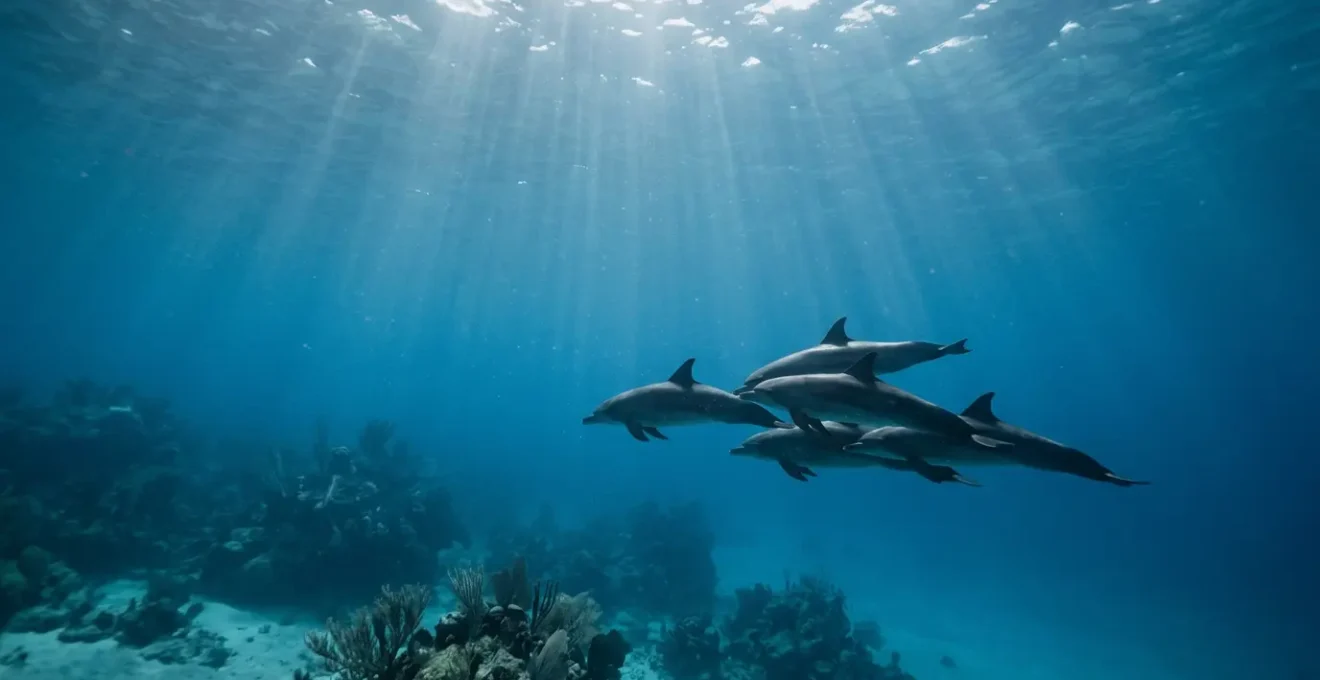
Look at the stark contrast. On one side, a sterile, lifeless box. On the other, the boundless, dynamic ocean that is their rightful home. The choice to support a facility that perpetuates this confinement is a vote for cruelty. The only ethical decision is to reject these attractions entirely. Your money and your voice are needed to shut these places down, not to find a ‘better’ version of them. True education comes from learning about these animals in their natural habitat, from a respectful distance, through programmes that genuinely contribute to their conservation, not their exploitation.
How to Identify a Responsible Wildlife Tour in Southeast Asia?
Having rejected the cruelty of captivity, the allure of seeing animals in the wild becomes even stronger. But this is where the ‘good intentions trap’ is set once again. In regions like Southeast Asia, a hub for marine biodiversity, hundreds of operators claim to be “eco-friendly.” Your mission is to see through the greenwashing and find the genuine stewards of the sea. A truly responsible operator views wildlife as a privilege, not a product. Their business model is built on long-term reef health, not short-term tourist thrills.
One of the most credible signs of a legitimate operation is third-party certification from a respected body. Look for initiatives like Green Fins, which was established by the UN Environmental Programme. As a case study in effective standards, Green Fins doesn’t just hand out a logo; it provides ongoing training and assessment for dive and snorkel operators to reduce their environmental impact. An operator proud of their Green Fins membership will display it and be able to explain what it means in practice. They see you not just as a customer, but as a potential ally in their conservation mission.
The power to expose the fakes and reward the genuine conservationists lies with you. You must become a forensic interrogator before you part with a single penny. A legitimate operator will welcome your questions; a fraudulent one will be evasive or defensive. Arm yourself with pointed inquiries that cut through the marketing fluff.
Your Pre-Booking Interrogation Checklist: Questions to Expose Greenwashing
- Protocol under pressure: Ask them, “What is your exact protocol if an animal appears stressed or agitated during an encounter?”
- Proof of contribution: Request, “Can you share the data from your most recent citizen science contribution to a recognised marine conservation project?”
- Technical specifications: Enquire, “What type of engine does your boat use, and what measures are in place to minimise underwater noise pollution?”
- Adherence to standards: Verify, “Which specific international or local marine mammal protection guidelines do you follow, and where can I see them?”
- Group size limits: Confirm, “What is the absolute maximum number of participants you allow per boat and per guide to minimise impact?”
Coral Bleaching vs Natural Erosion: What Are You Really Seeing?
Once you are on a responsible tour, your role shifts from interrogator to observer—but an educated one. Becoming an ocean steward means learning to read the environment and understand the stories it tells. One of the most urgent and tragic stories playing out in our oceans is the death of coral reefs. A common mistake is to see a field of white or broken coral and dismiss it as “natural.” While storms can cause physical damage, the vast, ghostly white landscapes you often see are anything but natural. They are a sign of coral bleaching, a direct and devastating response to environmental stress, primarily rising water temperatures caused by climate change.
Coral is not a rock; it’s a living animal that has a symbiotic relationship with tiny algae called zooxanthellae. These algae live in the coral’s tissues, providing it with food and its vibrant colour. When the water gets too warm, the coral becomes stressed and expels the algae, leaving behind its transparent tissue over its white skeleton. It is literally starving and has turned “bone-white.” While it is not yet dead and can recover if conditions improve quickly, it is on life support. Understanding this distinction is crucial; it’s the difference between witnessing a natural cycle and witnessing a crime scene.
To help you interpret what you see underwater, this table breaks down the visual cues of different coral conditions. A responsible guide will and should be explaining this, but being able to identify these signs for yourself is a powerful skill.
| Condition | Visual Appearance | Cause | Recovery Potential |
|---|---|---|---|
| Coral Bleaching | Bone-white color | Temperature stress, expulsion of algae | Can recover if conditions improve quickly |
| Algal Overgrowth | Green-brown fuzzy coating | Nutrient pollution, reduced herbivores | Difficult without ecosystem restoration |
| Physical Damage | Broken into rubble | Storm damage, boat anchors, tourist contact | Very slow (years to decades) |
| Coral Disease | White/black bands spreading | Bacterial/fungal infections | Often fatal without intervention |
The Souvenir Purchasing Mistake That Fuels the Illegal Shell Trade
Your power as a conscious traveller extends beyond tour bookings and onto the shore. The seemingly innocent act of buying a souvenir can have devastating consequences, directly fuelling the illegal wildlife trade and the destruction of marine habitats. The colourful stalls of beachside markets are often a front for an ugly industry. That perfectly polished, impossibly large shell wasn’t found empty on a beach; it was almost certainly harvested live from the reef, its inhabitant killed and discarded.
This is where your wallet casts its most direct vote. Every purchase of a “natural” souvenir like a conch shell, a dried seahorse, shark jaws, or pieces of coral sends a clear signal to the market: this cruelty is profitable. This encourages more poaching, further decimating populations of key species and disrupting the delicate balance of the reef ecosystem. For example, the Triton’s Trumpet snail is a natural predator of the coral-eating Crown-of-Thorns starfish. Removing these snails for the souvenir trade can lead to a population explosion of the starfish and the utter devastation of a reef.
Before you buy, think about the living creature this object once was. The intricate patterns and natural beauty belong on the reef, playing a vital role in its health, not gathering dust on a shelf. A simple rule of thumb: if a shell looks too perfect, shiny, or is being sold in large quantities, it is a product of this destructive trade. Instead, choose to support local artisans who create beautiful products from sustainable materials like recycled glass, driftwood, or certified cultivated shells. Always ask where the materials came from; a sustainable seller will be proud to tell you their story.
How to Contribute to Ocean Conservation While on a Beach Holiday?
Rejecting harmful practices is the first and most critical step. The next is to actively contribute to the solution. Your holiday can be a force for good, channelling much-needed funds into local economies and conservation efforts. The economic argument for conservation is staggering. Globally, coral reef tourism contributes an estimated $36 billion annually to the global economy and supports millions of jobs. As a tourist, you are part of this powerful economic bloc. When you intentionally spend your money with businesses that have a proven commitment to sustainability, you are creating a compelling business case for protecting the environment.
So how do you do this in practice? It begins with small, conscious choices. Participate in a beach clean-up organised by a local conservation group. Choose a hotel that has eliminated single-use plastics and has a transparent water and energy management policy. Eat at restaurants that serve locally sourced, sustainable seafood, reducing the pressure on overfished species. These actions may seem small, but when multiplied by millions of tourists, they create a tidal wave of change.
Furthermore, you can become a citizen scientist. Many responsible dive and tour operators partner with organisations like Project AWARE to run “Dive Against Debris” programmes or help monitor reef health. By simply recording the types of debris you find or the fish species you see, you contribute valuable data to global databases used by scientists and policymakers. As a case study in effective campaigning shows, simple, outcome-focused messaging works wonders. Hawaii’s “Take what you need, not what you can” campaign is a powerful example of shifting behaviour without complex science. By participating, you are no longer just a visitor; you are a vital part of the reef’s immune system.
Why Standard Suncreams Bleach and Destroy Millennia-Old Coral Reefs?
One of the most insidious threats to coral reefs is invisible, and you might be applying it to your skin every day. The vast majority of mainstream suncreams contain chemical UV filters that are catastrophic for marine life. When you swim, or even shower after a day at the beach, these chemicals wash off and enter the coastal ecosystem. It’s estimated that thousands of tons of sunscreen lotion end up in coral reef areas each year.
Two of the most notorious culprits are oxybenzone and octinoxate. These chemicals are proven to cause coral bleaching even at incredibly low concentrations, damage the DNA of coral, and disrupt their development. They act as endocrine disruptors, interfering with reproduction and growth, effectively sterilising the reef. They are, quite simply, poison for the ocean. Many other chemical filters, like octocrylene and homosalate, are also under intense scrutiny for their harmful effects.
The good news is that protecting yourself from the sun and protecting the reef are not mutually exclusive. The solution is to switch to a ‘reef-safe’ mineral suncream. These use non-nano zinc oxide or titanium dioxide as a physical barrier to block UV rays, rather than a chemical one. These minerals are not absorbed by coral and are considered safe for the marine environment. Reading the ingredients list is non-negotiable. Don’t trust the “reef-safe” marketing on the front of the bottle; turn it over and check the active ingredients. A few minutes of label-checking can prevent decades of damage to a millennia-old ecosystem. Even better, the best protection comes from covering up with UPF clothing, rash guards, and hats, minimising the need for sunscreen altogether.
How to Verify the Ethical Credentials of a Heritage Tour Operator?
The ability to spot greenwashing is the ultimate superpower for a conscious traveller. This skill is transferable across all types of tourism, whether you’re looking at a whale watching tour, a jungle trek, or a cultural heritage site. Deceptive marketing tactics are universal. Operators know that words like “sustainable,” “eco,” and “green” sell. Your job is to look for proof, not promises.
Start by analysing their website and marketing materials with a cynical eye. Are they using generic stock photos of perfect wildlife shots, or are they showing real photos from their actual tours, with tourists at a respectful distance? Do they promise “guaranteed sightings,” a huge red flag that suggests they may harass or bait animals? Do they talk about their conservation partnerships and name the local community groups they support, or are their environmental claims vague and unverified? A truly ethical operator like those with a Global Sustainable Tourism Council (GSTC) certification, is transparent. For example, when Pan Pacific Hotels sought GSTC certification, they openly reported on their energy consumption and the specific technologies used, like low-emissivity glass, demonstrating accountability.
This simple table of ‘Red Flags’ vs ‘Green Flags’ is your cheat sheet for vetting any tour operator online. It’s a quick and effective way to separate the genuine conservation partners from the opportunistic profiteers.
| Red Flags | Green Flags |
|---|---|
| Vague environmental claims without specifics | Clear certifications with verifiable registration numbers |
| Stock photos of marine life | Actual photos from tours with proper wildlife distances |
| No named staff or guides | Named local guides with credentials and bios |
| Promises of guaranteed animal sightings | Transparent about wildlife being unpredictable |
| Focus only on tourist experience | Balance between experience and conservation message |
| No mention of local community involvement | Clear partnerships with local conservation groups |
Key Takeaways
- Captivity is never conservation. Reject all marine parks and ‘swim with’ programmes as a baseline ethical stance.
- Become a sceptic. Your power lies in asking pointed questions and looking for verifiable proof of an operator’s ethical and environmental claims.
- Every choice matters. Your sunscreen, souvenirs, and choice of restaurant are all votes cast for or against the health of the ocean.
Exploring the Great Barrier Reef: Spotting Manta Rays Without Damaging Coral
Imagine this: you are weightless, suspended in the deep blue of the Great Barrier Reef. Below you, a city of coral thrives. Then, a shadow moves in the distance, growing larger until it resolves into the majestic form of a giant manta ray, gliding through the water with an effortless grace. This is the magic you came for. This is the wild, untamed, and profoundly moving experience that no concrete tank could ever replicate. But this privilege comes with immense responsibility.
The threat of our love for these places destroying them is very real. We only need to look at the tragic case of Maya Bay in Thailand. Before its closure and restoration, the devastating impact of overtourism resulted in 90% of its coral being damaged. This is what happens when volume and profit are prioritised over preservation. To witness the wonders of the Great Barrier Reef without becoming part of the problem, you must adhere to a strict code of conduct, especially when interacting with large marine life like manta rays.
A responsible operator will brief you on these rules, but a true ocean steward has them internalised. It is about minimising your presence and your impact. This means mastering your buoyancy to float neutrally over the reef, never touching or kicking the coral. It means using slow, deliberate fin kicks to avoid stirring up sediment. When it comes to mantas, never chase them or swim directly above them, as it can block their path to the surface. Remain still, let them approach you on their own terms, and never, ever use a camera flash. This is the pinnacle of the tourist-to-steward transformation: finding joy not in the interaction, but in respectful, unobtrusive observation, knowing that your presence is leaving no trace.
Your journey to becoming an ocean ally has begun. You are now armed with the knowledge to see through the lies of the captive industry and the greenwashing of irresponsible tour operators. Use this power. On your next holiday plan, make these principles your non-negotiable standard. Share this information with other travellers. Demand better from the tourism industry. Your love for animals is a powerful force for change—let’s ensure it’s channelled to protect them, not imprison them.