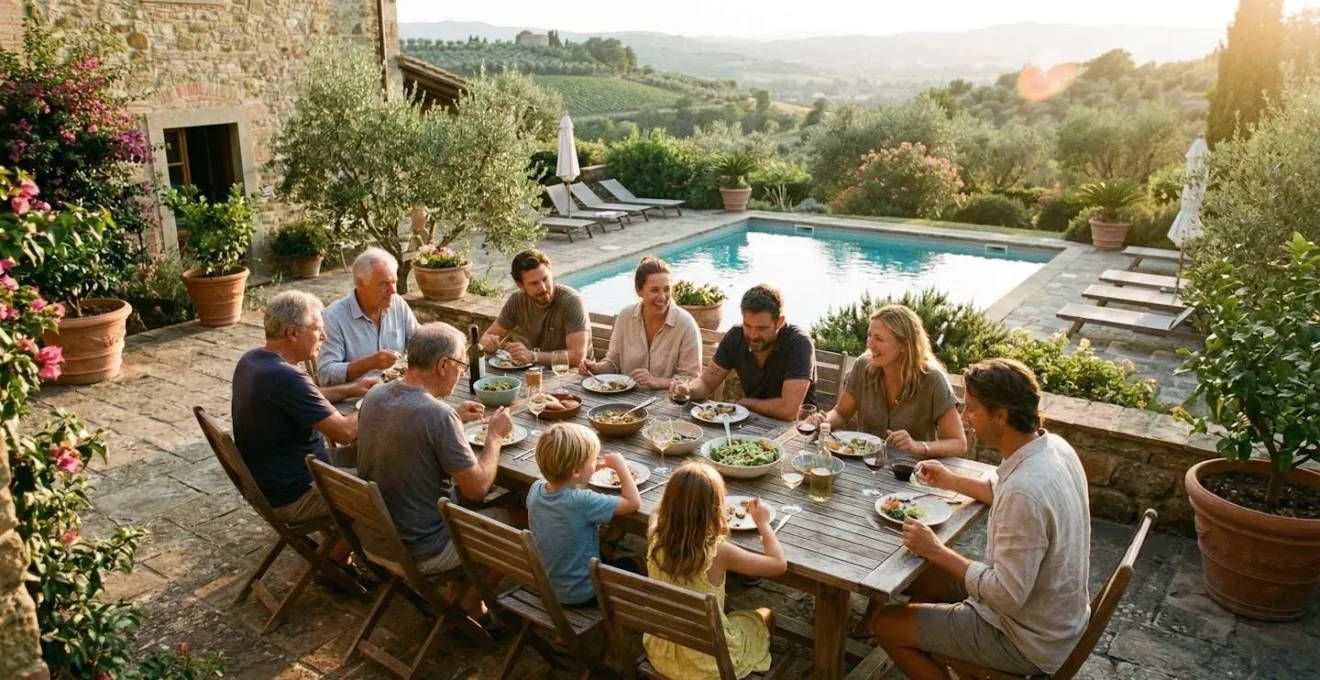
Finding a rental that genuinely fits a dozen people—without cramming everyone into too few bedrooms or splitting the group across multiple properties—remains the single biggest frustration for families planning gatherings on France’s Atlantic coast. The typical scenario: three siblings coordinating a parents’ anniversary trip discover that most “luxury” listings max out at eight guests, leaving someone on a sofa bed or booking a second cottage down the road.
Île de Ré solves this problem better than almost any other French destination. With luxury villas sleeping 8 to 22 guests and weekly rates ranging from around US$1,600 to US$4,800, this slender island connected to La Rochelle by a 3km bridge has become the go-to address for milestone celebrations. Expect 4 to 10 bedrooms, private pools, and villages distinct enough that choosing the right one genuinely shapes your holiday.
Your Île de Ré villa booking priorities:
- Budget US$1,600–4,800/week for 8–22 guests
- Book 6+ months ahead for summer
- Choose village by group profile, not price alone
- Verify pool heating and air conditioning for shoulder season
- Confirm pet policy before paying the deposit
This guide breaks down which village suits which kind of group, what separates a genuinely exceptional villa from a glossy brochure disappointment, and the practical details—bridge tolls, pet paperwork, day-trip logistics—that most listings never mention.
The goal here is simple: give you enough clarity to book confidently and avoid the scramble that derails so many group holidays before they even begin.
Why Île de Ré has become the Atlantic’s most coveted address
Charente-Maritime, the département encompassing Île de Ré, recorded 8.5 million overnight stays in campsites alone in 2023, attracting 29% of all campers in the entire Nouvelle-Aquitaine region according to INSEE. That figure jumped 6.3% year-on-year—and it only captures camping, not the private villa market drawing a different crowd entirely.
8.5 million
Overnight stays in Charente-Maritime campsites (2023), up 6.3% year-on-year
What the numbers hint at but rarely explain is why this particular island, rather than the Côte d’Azur or Brittany, has captured the imagination of affluent group travellers. The answer lies in a combination of factors that work especially well for multi-generational holidays: a UNESCO biosphere reserve status that limits overdevelopment, 110km of cycle paths connecting all ten villages (meaning teenagers can roam safely while grandparents nap), and a maritime climate cooler than the Mediterranean yet reliably sunny from May through September.
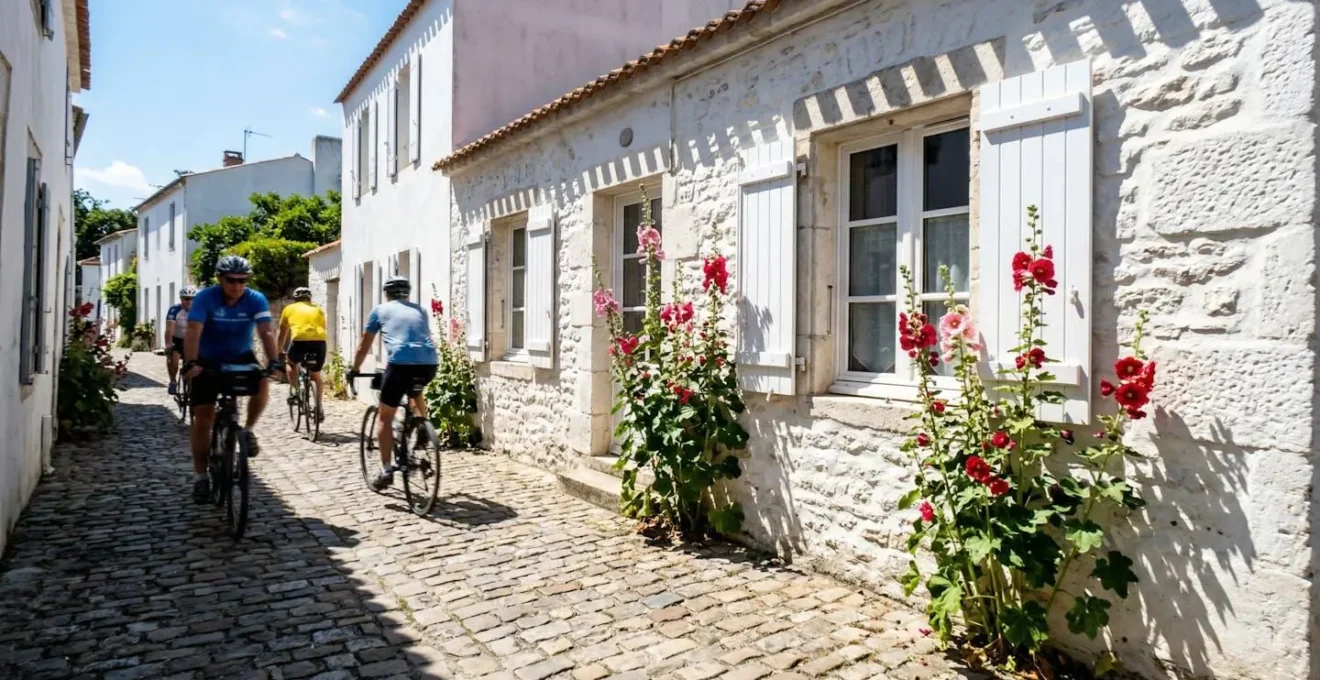
The island also offers something increasingly rare: a sense of genuine local atmosphere rather than tourist infrastructure. Market mornings in Saint-Martin-de-Ré feel like actual community events rather than performances for visitors. Oyster beds still line the eastern shore, salt marshes stretch across the interior, and hollyhock-lined streets remain photographed for good reason. For travellers seeking authentic hospitality through homestays and local immersion rather than resort anonymity, this island delivers without requiring fluent French.
Finding your perfect village: where to base your island stay
The most common oversight when booking is treating Île de Ré as a single destination rather than ten distinct villages spread across 30km. Where you base your group determines whether you’re cycling to dinner or driving fifteen minutes each way—and whether the beach is a sandy stretch ideal for children or a wild dune landscape better suited to adventurous walkers.
Experienced travellers consistently recommend matching village character to group composition before even looking at specific properties. The right fit depends less on bedroom count and more on what your group actually wants from the week. A search through vacation rentals on Île de Ré becomes far more efficient once you’ve narrowed down to one or two villages rather than scrolling through every listing on the island.
Rivedoux-Plage and Les Portes-en-Ré: contrasting coastal characters
Rivedoux-Plage sits immediately after the bridge—first stop on the island, convenient for arrival-day logistics but with a practical rather than picturesque character. Oyster farming dominates the local economy, beaches tend toward mudflats at low tide, and the village works well for short stays or groups prioritising accessibility over atmosphere.
Les Portes-en-Ré, at the northern tip, represents the opposite extreme. Wild beaches, salt marshes, and a reputation for exclusivity make it the choice for privacy-seekers willing to drive or cycle further for restaurants and markets. Properties here command premium rates, and the remoteness suits groups comfortable being self-sufficient for meals.
Le Bois-Plage-en-Ré: the family-friendly sweet spot
Most groups with children land here, and for good reason. The village sits centrally, with direct access to the island’s longest sandy beach and a commercial centre offering supermarkets, bakeries, and bike hire within walking distance. Properties tend toward the family-villa category: heated pools, fenced gardens, practical layouts rather than designer statements.
The trade-off? Le Bois-Plage feels busier than quieter villages, particularly in August. Groups seeking both beach access and evening calm sometimes base themselves here but cycle to smaller villages for dinner.
Sainte-Marie-de-Ré: authentic village atmosphere
For groups prioritising local immersion over beach convenience, Sainte-Marie offers the best balance. A proper market town with daily shopping, traditional restaurants, and a church square where locals actually gather, it provides the “French village holiday” atmosphere that Instagram-heavy destinations often lack.
Beach access requires a short cycle or drive, which suits groups happy to separate active mornings from lazy pool afternoons. Properties here often occupy converted farmhouses with character features—exposed stone, courtyard gardens—rather than purpose-built villas.
| Village | Best for | Beach access | Restaurants | Character |
|---|---|---|---|---|
| Rivedoux-Plage | Short stays, easy access | Mudflats at low tide | Limited | Practical, working harbour |
| Les Portes-en-Ré | Privacy seekers, couples | Wild dune beaches | Few, upmarket | Exclusive, remote |
| Le Bois-Plage-en-Ré | Families with children | Long sandy beach | Good selection | Busy, family-oriented |
| Sainte-Marie-de-Ré | Local immersion, mixed groups | Short cycle required | Traditional, authentic | Market town atmosphere |
What separates exceptional villas from standard holiday lets
The brochure photos all look stunning. The reality varies enormously. What distinguishes a genuinely premium rental from a disappointing one often comes down to details that listings rarely mention—and that groups only discover after arrival.
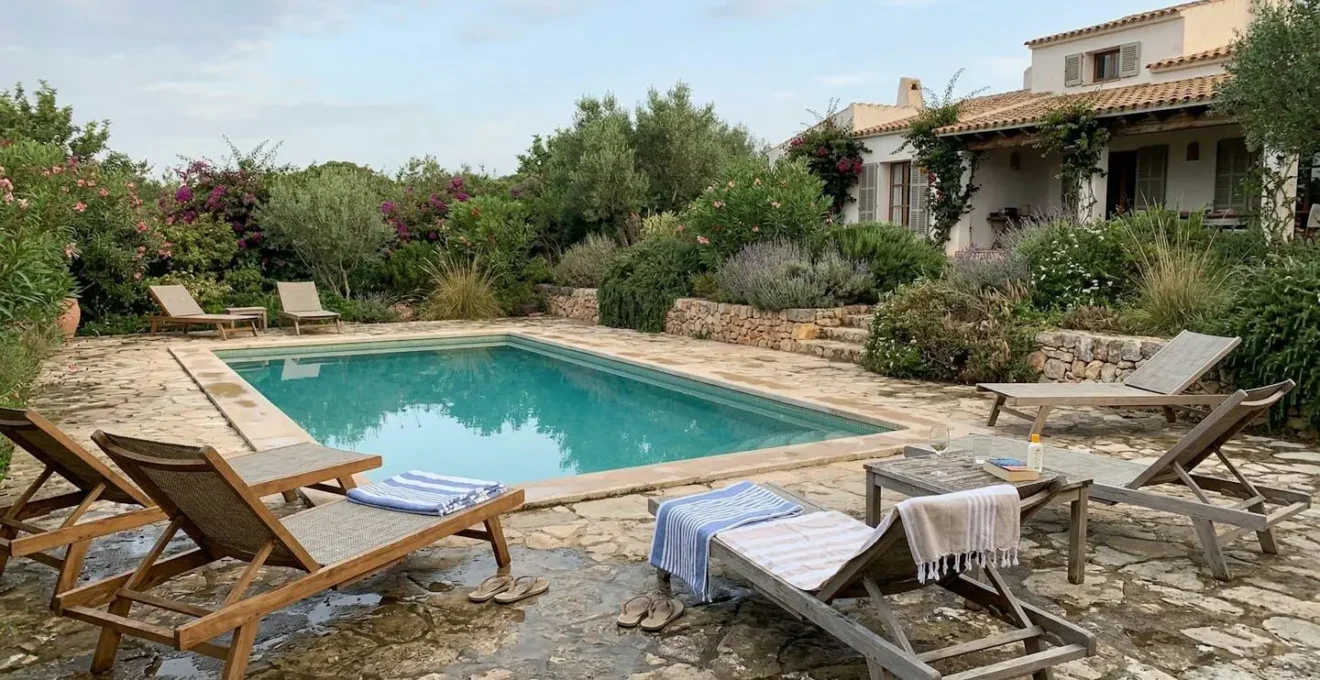
Seasoned visitors know that pool heating matters more than pool size on the Atlantic coast. Unheated pools remain too cold for comfortable swimming until late June, which limits their use during shoulder-season bookings. Similarly, air conditioning appears as a listed amenity, but older properties may only have units in bedrooms, leaving communal living spaces sweltering during August heatwaves.
The luxury reality check: Many “luxury” properties on Île de Ré occupy converted traditional buildings where thick stone walls provide natural cooling—until they don’t. Properties built before 2010 often lack whole-house climate control. Ask specifically whether air conditioning covers living areas as well as bedrooms, and whether the pool heater runs automatically or requires manual activation (which some owners restrict to save energy costs).
The practice of listing maximum occupancy also warrants scrutiny. A “sleeps 16” property might include sofa beds in living rooms or bunk beds in converted cupboards. Groups with adults sharing expect proper en-suite bedrooms, not holiday-camp configurations that work for children but create awkwardness among in-laws.
Before you commit: group villa booking essentials
-
Confirm exact bedroom configuration: how many doubles, twins, and singles?
-
Ask whether pool heating is included or charged separately
-
Check Wi-Fi speed if remote workers are joining the group
-
Verify whether the garden is fully fenced (essential for dogs and toddlers)
-
Request a breakdown of end-of-stay cleaning fees and security deposit terms
Making the most of your Île de Ré escape
A common regret among first-time visitors: treating the villa as a base for constant excursions rather than a destination in itself. The island’s pace rewards slowing down—market mornings, afternoon swims, evening aperitifs on the terrace. Over-scheduling defeats the purpose.
That said, the location offers exceptional day-trip potential for restless group members. La Rochelle sits 30 minutes from the bridge, its historic harbour and aquarium occupying a full day easily. Wine enthusiasts can arrange wine tasting at Bordeaux châteaux with a designated driver—the wine region lies roughly two hours south, making a long day trip feasible.
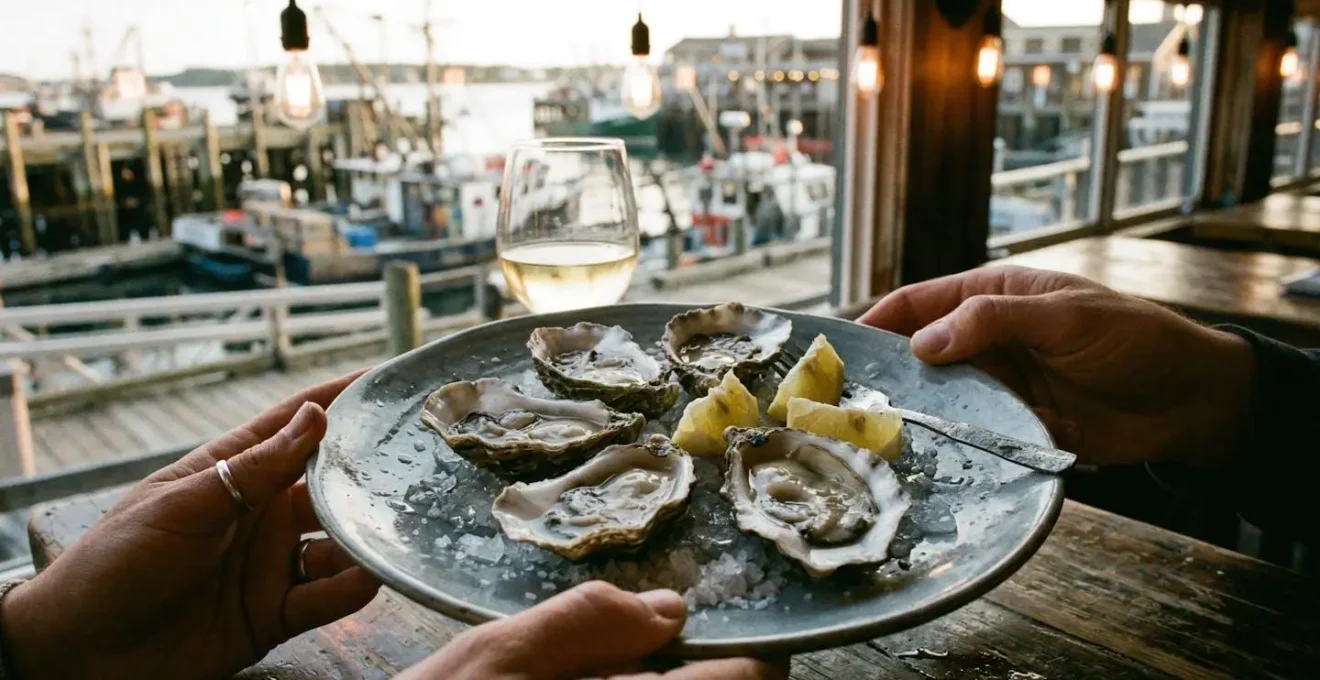
On the island itself, the essentials for groups include:
Island activities that work for mixed-age groups
-
Cycling the coastal paths (flat routes suit all fitness levels)
-
Oyster tasting at Rivedoux-Plage harbour stalls
-
Saint-Martin-de-Ré morning market (Wednesday and Sunday)
-
Salt marsh tours in Loix (fascinating for children)
-
Lighthouse climb at Phare des Baleines (257 steps, rewarding views)
Practical note: the 2025 bridge toll structure now operates on three seasonal tiers. Expect €16 return for a car during high season (mid-June to mid-September), dropping to €8 in shoulder months and just €4 between November and March. Groups arriving with multiple vehicles should factor this into budgets—four cars crossing in August adds €64 before anyone has unpacked.
Your questions about Île de Ré rentals answered
Common booking queries
How far in advance should larger groups book for summer?
Properties sleeping 10+ guests for July and August typically fill 6 to 8 months ahead. Shoulder-season availability (May, June, September) remains more flexible, often bookable 3 to 4 months out. Last-minute options exist in low season but rarely suit groups needing specific configurations.
Can UK travellers bring dogs to Île de Ré?
Yes, but post-Brexit rules apply. According to current UK government guidance on pet travel to the EU, you’ll need an Animal Health Certificate from an Official Veterinarian—pet passports issued in Great Britain are no longer valid. Dogs must be microchipped and rabies-vaccinated at least 21 days before the certificate can be issued. Start this process 6 weeks before departure to avoid last-minute vet appointment scrambles.
Are villa pools heated as standard?
Not necessarily. Many listings mention pools without specifying heating. Unheated pools on the Atlantic coast remain cold until late June. Always confirm whether heating is included, available at extra cost, or unavailable—particularly for May, June, or September bookings.
What’s typically included in the weekly rental price?
Most villa rentals include bed linen, basic kitchen equipment, and garden furniture. Expect additional charges for end-of-stay cleaning (often €150–300), pool heating, and sometimes Wi-Fi. Towels and beach equipment vary—always ask before assuming.
How do groups reach Île de Ré from UK airports?
La Rochelle airport receives seasonal flights from several UK cities. Alternatively, Bordeaux (2 hours south) offers more frequent connections year-round. Eurostar to Paris plus TGV to La Rochelle works well for groups avoiding car hire. From the mainland, the bridge crossing takes minutes—though high-season tolls reach €16 per vehicle return.
Your next step
Île de Ré rewards groups who book early, ask the right questions about property details, and match their village choice to what the group actually wants from the week. The island’s appeal isn’t accidental—it’s a genuine combination of landscape, accessibility, and atmosphere that works especially well for multi-generational gatherings.
Start by narrowing down to one or two villages based on group priorities. Then focus on properties with confirmed bedroom configurations, honest pool heating policies, and owners responsive to pre-booking questions. The best villas go early, but the homework pays off in a holiday that actually delivers on its promise.